
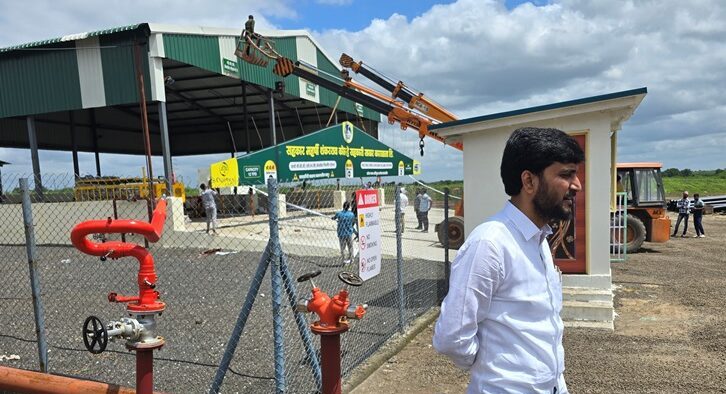
In a powerful example of cooperative innovation, the Sanjivani Cooperative Sugar Factory is leading a green energy transformation under the leadership of Vivek Kolhe. Its Bio-CNG project, now fully operational, produces 12 tons of gas daily from sugarcane waste, marking a significant leap toward sustainable development and rural empowerment.
Positioning farmers as “urjadata” (energy providers), Kolhe highlighted that the initiative not only reduces dependence on imported fuels but also creates new income avenues for the farming community. The project stands out as one of the first cooperative-led efforts in India to convert agri-waste into clean fuel at scale.
Further strengthening this vision, the factory has introduced an ethanol-powered stove as an alternative to LPG, offering a cost-effective and eco-friendly solution amid rising fuel prices. The ethanol, derived from sugarcane, supports both energy security and farmer prosperity.
As India looks toward self-reliance in energy, Sanjivani’s model showcases how cooperatives can drive innovation, sustainability, and inclusive rural growth simultaneously.