
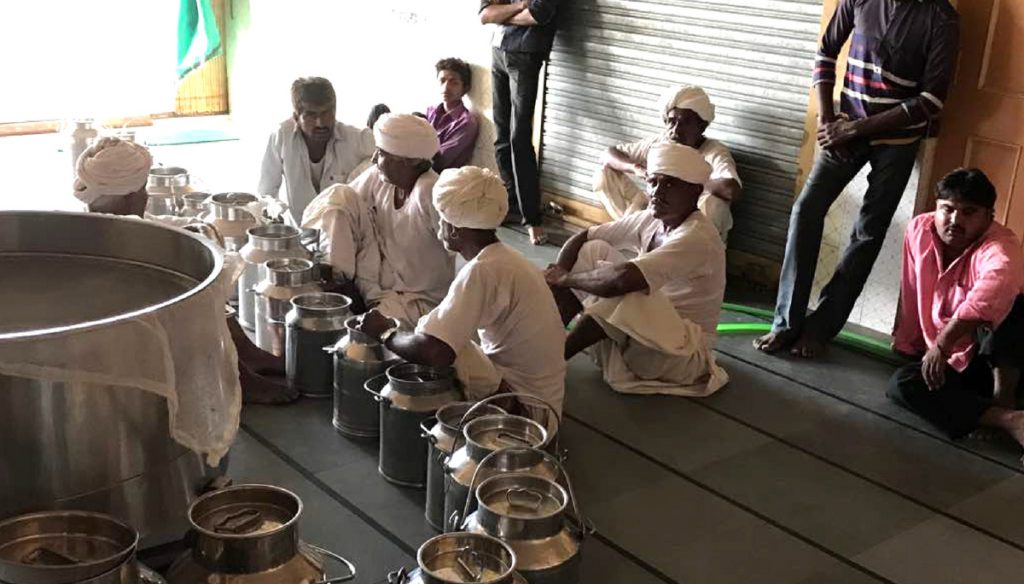
A national-level push to strengthen India’s dairy sector and cooperative ecosystem gathered momentum during a dedicated session on “Cooperation among Cooperatives & White Revolution 2.0” held as part of a two-day workshop in Varanasi. The session saw participation from representatives of various States and Union Territories, reflecting a coordinated effort to deepen cooperative-led rural development.
Chaired by Raman Kumar, Joint Secretary, along with Kumar Ram Krishna, Director, Ministry of Cooperation, the deliberations were aligned with the broader vision of “Sahkar se Samriddhi.” The discussions centred on enhancing collaboration among cooperatives and advancing the next phase of the White Revolution to improve efficiency, inclusiveness, and sustainability in the dairy sector.
A key focus area was business diversification and the strengthening of financial linkages within the cooperative ecosystem. Emphasis was laid on integrating Primary Agricultural Credit Societies (PACS) and Primary Dairy Cooperative Societies (PDCS) with cooperative banks. The use of Micro ATMs and RuPay Kisan Credit Cards was highlighted as a means to expand banking access and promote financial inclusion in rural areas.
The session also featured presentations from District Central Cooperative Bank (DCCB) Panchmahal, Banas Dairy, and the National Dairy Development Board (NDDB), showcasing successful models and best practices. These institutions underlined how convergence between dairy cooperatives and financial services can create more resilient and profitable rural enterprises.
Participating states including Rajasthan, Uttar Pradesh, Maharashtra, and Madhya Pradesh shared updates on their ongoing initiatives and progress in strengthening cooperative frameworks, particularly in the dairy sector.
The deliberations underscored the transformative potential of the dairy cooperative model when integrated with robust banking support. Participants noted that such convergence can accelerate rural economic growth, generate sustainable livelihoods, and bring small farmers into the formal financial system.
The session concluded with a reaffirmation of the role of cooperatives as a cornerstone of inclusive development, with “White Revolution 2.0” positioned as a key driver in achieving the vision of prosperity through cooperation.