






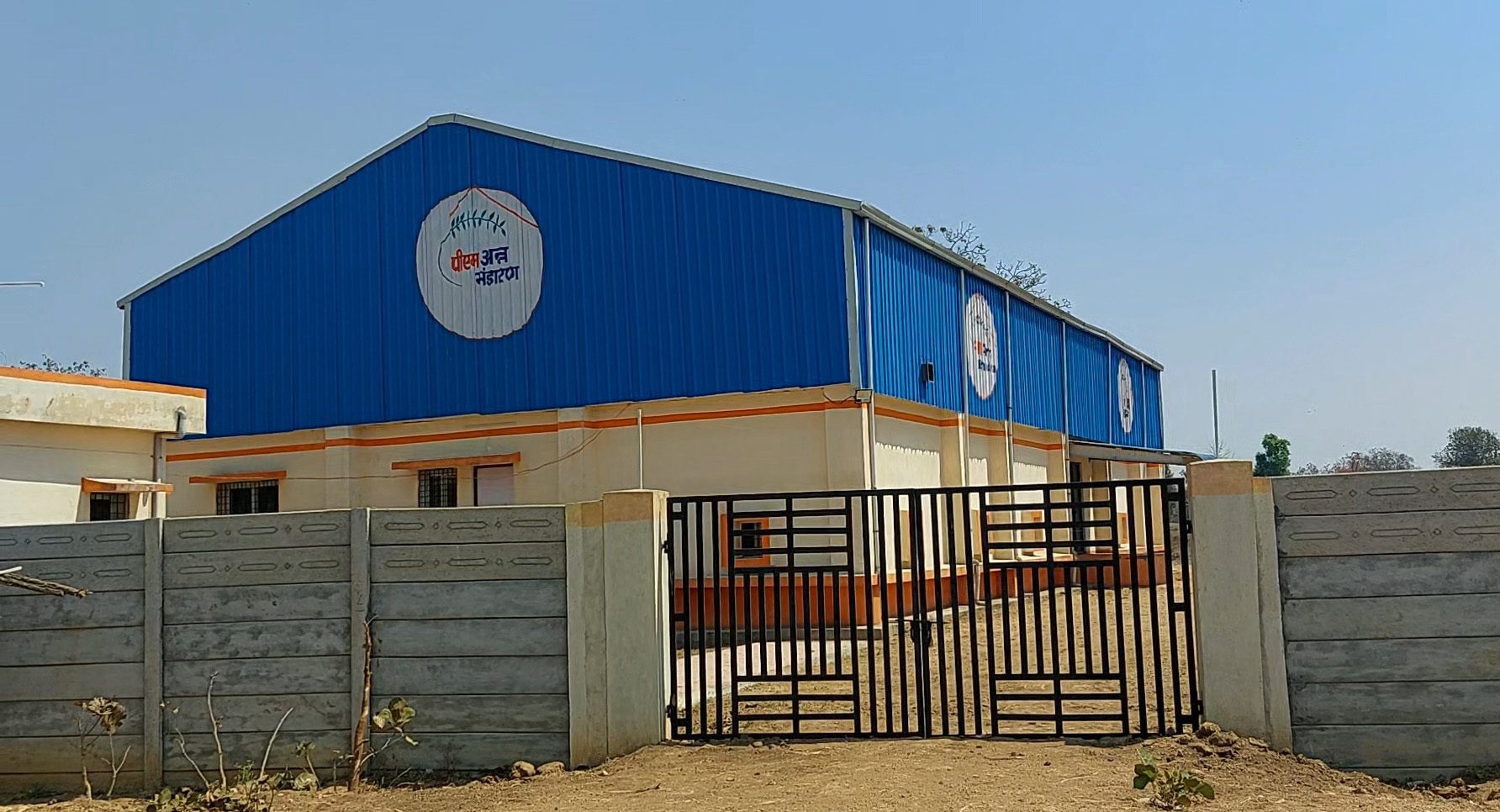
India’s ambitious cooperative-led grain storage initiative is making steady progress, with the Ministry of Cooperation reporting significant achievements under what is being described as the world’s largest grain storage scheme. Launched on May 31, 2023, the initiative aligns with Prime Minister Narendra Modi’s vision of “Sahkar Se Samriddhi,” aiming to address critical gaps in rural storage infrastructure.
The scheme is designed to strengthen Primary Agricultural Credit Societies (PACS) and other cooperative institutions by creating decentralized storage and allied facilities at the village level. This enables farmers to store their produce closer to home and avoid distress sales, thereby securing better prices in the market.
Under the ?????, a comprehensive ecosystem is being developed at PACS, including warehouses, custom hiring centres for farm machinery, processing units, and fair price shops. These integrated facilities are expected to transform rural agri-infrastructure and enhance value addition at the grassroots level.
The implementation process involves identification of suitable PACS by state cooperative departments, followed by preparation of detailed project reports based on local requirements. Financial support is a key highlight, with loans available at highly concessional interest rates of around 1%, along with subsidies of up to 33%. Once approved, construction is undertaken as per standardised designs, with most warehouses being completed within six months.
To ensure viability and steady income for cooperatives, the Food Corporation of India provides a rental guarantee for up to nine years, offering long-term financial stability to these storage facilities.
According to the latest data, 560 cooperative societies have been identified for developing grain storage infrastructure. Out of these, construction of 120 warehouses has already been completed, creating a storage capacity of approximately 72,000 metric tonnes. This marks a significant step toward reducing post-harvest losses and strengthening India’s food supply chain.
Officials said the initiative is expected to play a crucial role in enhancing farmers’ income, improving food security, and building a resilient rural economy through cooperative-led development.