






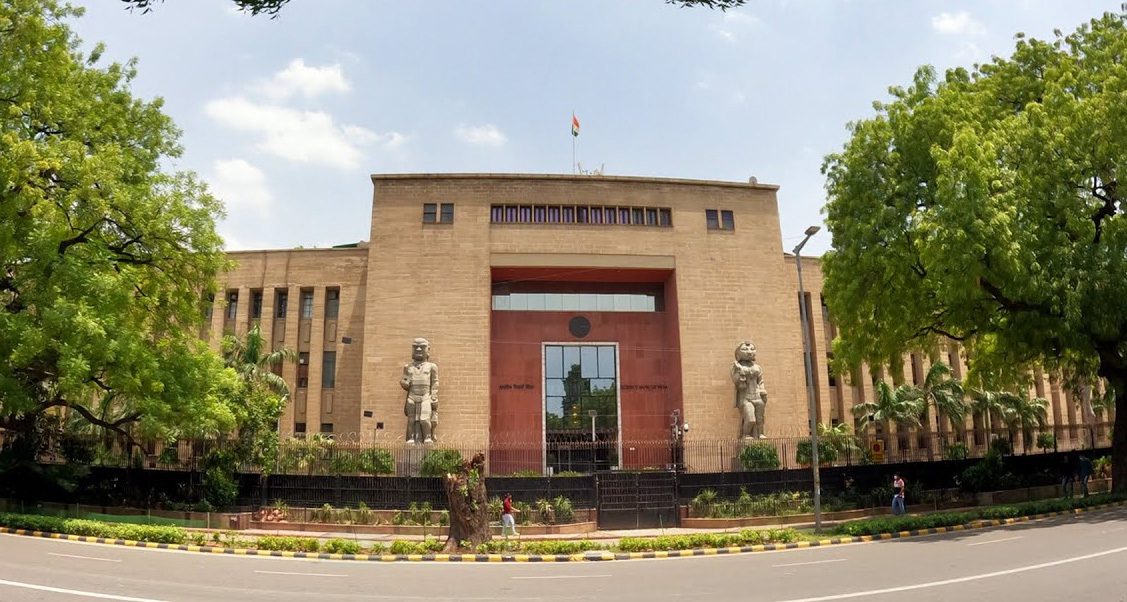
The Reserve Bank of India, in its June 2025 edition of the Financial Stability Report (FSR), has highlighted the improved resilience of the Indian financial system, with notable progress seen in the performance and stability of Urban Cooperative Banks (UCBs).
According to the report, the capital position of UCBs has significantly strengthened, with their overall Capital to Risk-Weighted Assets Ratio (CRAR) rising to 18.0% in March 2025. This improvement has been broad-based across all categories, Scheduled and Non-Scheduled UCBs, as well as across all tiers, except for a marginal dip in Tier 1 banks.
In a positive development, credit growth in primary UCBs accelerated to 7.4% year-on-year (y-o-y) in March 2025, compared to March 2024. Both Scheduled UCBs (SUCBs) and Non-Scheduled UCBs (NSUCBs) contributed to this rise in lending activity.
Asset quality indicators also improved, with Gross and Net Non-Performing Asset (GNPA and NNPA) ratios declining markedly in March 2025 compared to September 2024. A similar improvement was observed in the GNPA ratio of large borrowers, who account for over 23% of the UCB loan book. The Provisioning Coverage Ratio (PCR) also improved, primarily driven by gains in NSUCBs, reflecting enhanced financial resilience.
As of March 31, 2025, the gross NPA ratio of all UCBs stood at 6.1%, while the net NPA ratio was 0.6%. The GNPA ratio for large borrowers was reported at 8.9%.
However, on the profitability front, the Net Interest Margin (NIM) remained steady compared to September 2024 but was marginally lower than the level recorded a year earlier. Both Return on Assets (RoA) and Return on Equity (RoE) declined for Tier 1 and Tier 4 UCBs in March 2025, while these indicators improved for Tier 2 banks.
To assess systemic resilience, stress tests were conducted on a representative sample of UCBs, covering credit, market, and liquidity risks.
The results revealed that while most UCBs demonstrated adequate buffers, one Tier 4 UCB, with deposits exceeding Rs 10,000 crore, failed to meet the minimum CRAR requirement of 11% under a severe credit default and concentration risk scenario. In contrast, Tier 1 UCBs exhibited strong resilience across most stress scenarios, except in terms of liquidity risk.
Besides, Between December 2024 and May 2025, the RBI took enforcement action against 177 entities, including 118 cooperative banks, for violating statutory norms. It imposed penalties totaling Rs 29.15 crore, highlighting persistent regulatory and compliance issues, especially within the cooperative banking sector.
As of March 31, 2025, cooperative banks had a higher insured deposit ratio (61.9%) compared to commercial banks (40.4%), according to RBI. Of the 1,982 banks registered with DICGC, 1,843 were cooperative banks, highlighting their dominance in terms of numbers within the deposit insurance framework.
The findings underscore the strengthening fundamentals of the UCB sector while also highlighting the need for continued vigilance, particularly among larger cooperative banks.














































Interesting
It is a very good information