





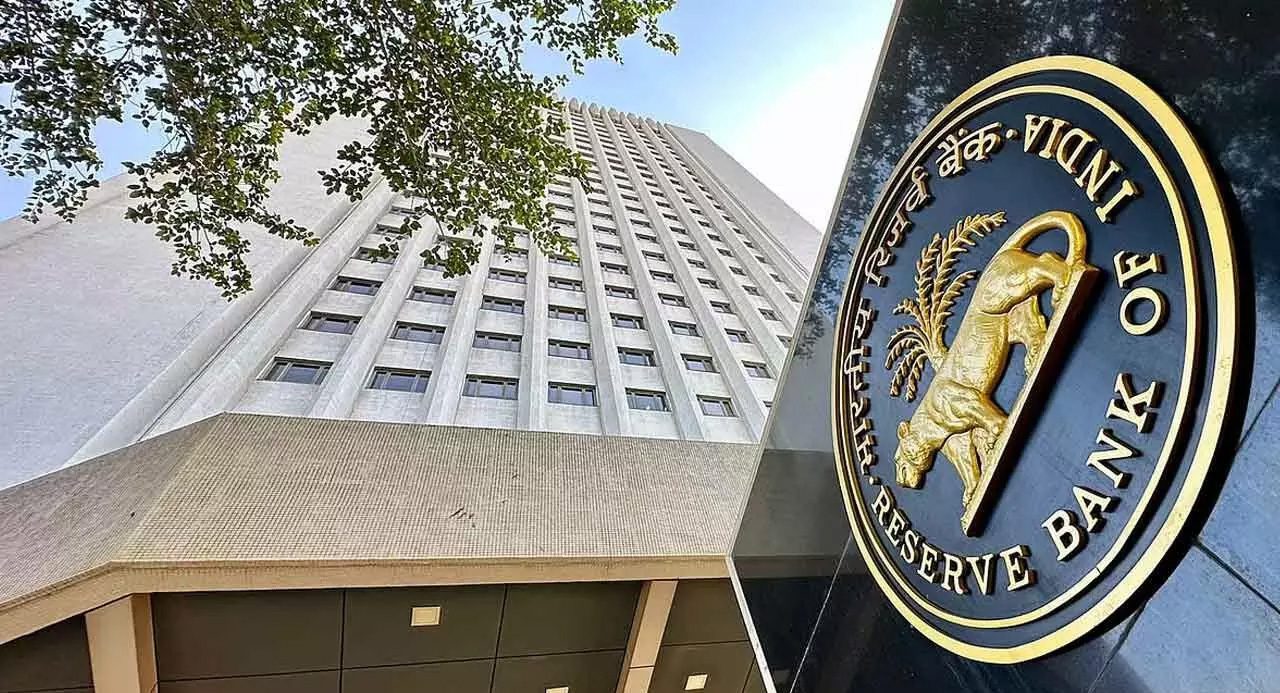
In the financial year 2024–25, the Reserve Bank of India (RBI) significantly tightened its regulatory oversight of cooperative banks. As per the data received by the analysis team of Indian Cooperative from various sources and research, the RBI imposed fines on four State Cooperative Banks (StCBs) and 51 District Central Cooperative Banks (DCCBs) for various violations. Urban Cooperative Banks (UCBs) faced even stricter measures, with a total of 215 penalties imposed on UCBs during the year.
Additionally, the RBI placed seven new UCBs under its All-Inclusive Directions (AID), restricting key operations, including deposit withdrawals. However, four UCBs were removed from AID after improving their performance.
As of March 31, 2025, 23 UCBs remained under AID, with Maharashtra leading with nine, followed by Karnataka (five) and Uttar Pradesh (four). Other states, including Rajasthan, Punjab, and West Bengal, each had one UCB under AID.
Notably, some UCBs, such as those in Maharashtra and Rajasthan, have faced restrictions for over six years, causing ongoing financial strain on depositors. The Shimsha Sahkara Bank in Karnataka continues to operate after a High Court stay on the RBI’s license cancellation order.
The RBI also imposed penalties on four State Cooperative Banks (StCBs) and 51 District Central Cooperative Banks (DCCBs) for supervisory and compliance violations. Penalized StCBs included those from Odisha, Himachal Pradesh, Jharkhand, and Manipur, with Himachal Pradesh’s Jogindra Central Co-operative Bank Ltd. penalized twice.
Bihar and Karnataka had the highest number of penalized DCCBs (seven each), followed by Maharashtra and Madhya Pradesh (five each). Rural cooperative banks were fined a total of Rs 142.45 lakh, with the Kangra DCCB in Himachal Pradesh receiving the highest penalty of Rs 25 lakh for operating outside its approved area.
The violations primarily involved the Banking Regulation Act, 1949, including director-related loans, failure to contribute to the Depositor Education Fund, delayed fraud reporting, and KYC non-compliance.
Urban Cooperative Banks continued to face regulatory scrutiny throughout the year, with a total of 215 penalties imposed in FY 2024–25.
Penalties were levied every month, starting with 33 UCBs in April 2024 alone. The trend intensified in the later months, with 29 UCBs penalized in November and 28 in December 2024.
Infractions ranged from exceeding gold loan limits and lending to nominal members, to violations of inter-bank exposure norms, donations beyond regulatory caps, delays in transferring unclaimed funds, and incorrect loan classifications. Several banks were also found opening savings accounts for ineligible entities and failing to upload complete KYC data.
A major enforcement action was the Rs 5.93 crore penalty on Mehsana Urban Cooperative Bank Ltd. in Gujarat in July 2024. The bank was penalized for multiple violations, including sanctioning director-related loans despite previous penalties, failing to implement mandated cyber security controls, misclassifying non-performing assets (NPAs), issuing multiple Unique Customer Identification Codes (UCICs), and donating to a trust linked to a director. This wasn’t the bank’s first encounter with regulatory penalties, having been fined Rs 5 crore in 2019 and Rs 15 lakh in November 2023.
The licenses of seven UCBs under AID were canceled, while two others lost their licenses following mergers with more compliant entities. These actions, coupled with monthly penalties and ongoing regulatory follow-ups, signal the central bank’s strong commitment to protecting depositors and maintaining systemic integrity.
As India’s cooperative banks continue to play a pivotal role in financial inclusion, the RBI’s heightened oversight serves as a firm reminder: transparency, accountability, and adherence to norms are non-negotiable in safeguarding the sector’s long-term stability and public trust.