





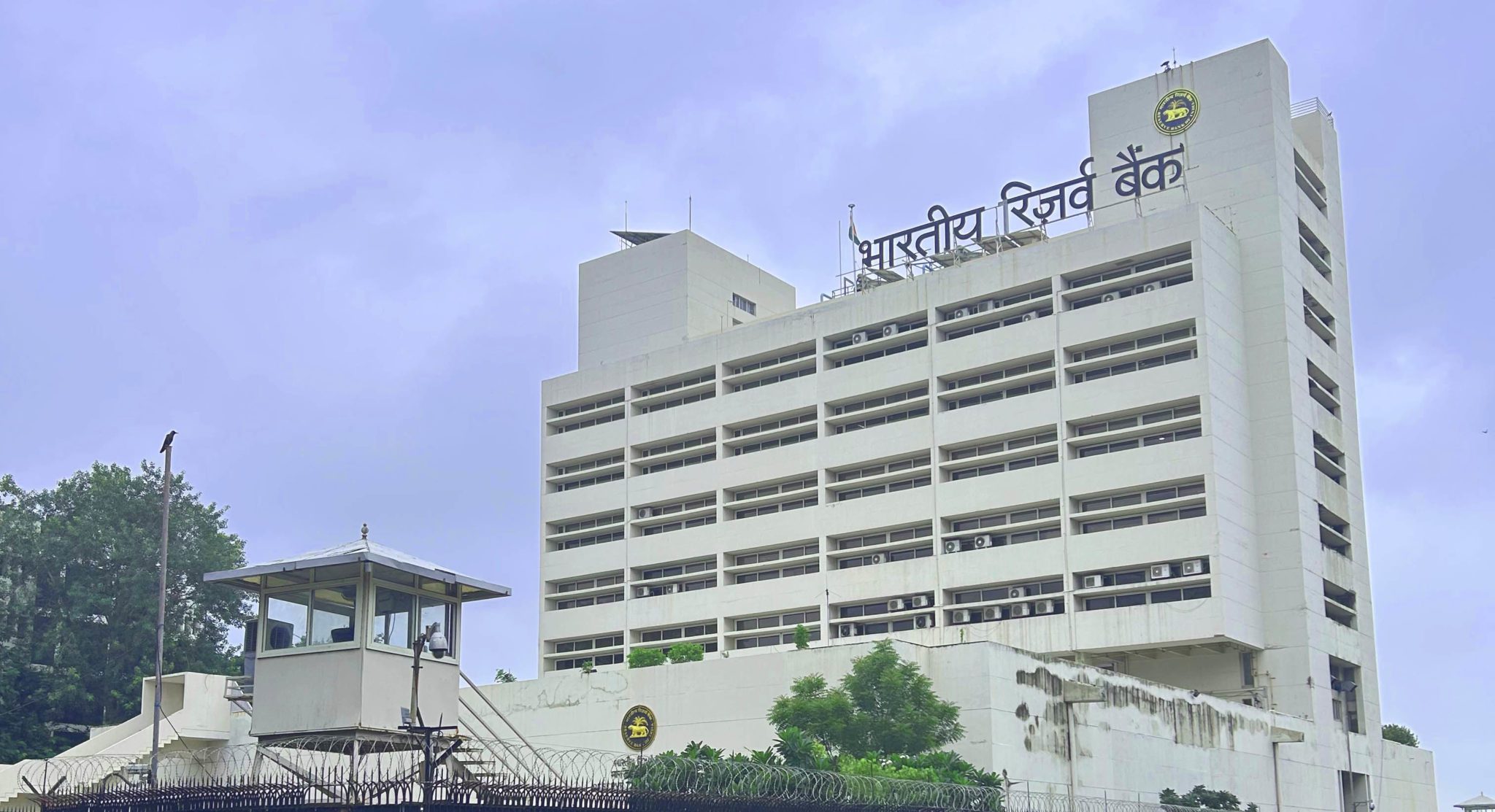
Amid an ongoing cash shortage affecting cooperative banks across Gujarat, particularly in Surat, the Reserve Bank of India (RBI) has outlined measures taken to ease currency constraints, even as banks on the ground report little improvement.
In its response to the South Gujarat Co-operative Banks’ Association (SCOBA), RBI confirmed that it has dispatched multiple cash remittances to Currency Chests (CCs) across the region, with a special focus on Surat. Between March 19 and April 10, 2026, four remittances were released, and additional supplies are planned for other centres, subject to availability.
The central bank reiterated that all banks have been directed to distribute fresh and re-issuable notes and coins of all denominations through their branches to ensure uninterrupted public access to cash. RBI also stated that it is closely monitoring currency circulation and taking steps to improve the consistency and adequacy of supply.
However, beyond immediate cash management, RBI’s response highlights a broader shift in strategy. The regulator has strongly encouraged the adoption of digital payment systems, positioning them as a secure, seamless, and efficient alternative to cash transactions.
It pointed to the rapid expansion of UPI-based payments and the rollout of the Central Bank Digital Currency (CBDC) as key initiatives aimed at reducing reliance on physical currency while enhancing financial inclusion and accessibility.
Despite these measures, SCOBA has expressed dissatisfaction, describing the response as “general in nature” without targeted corrective action. Representing 46 Urban Cooperative Banks across South Gujarat, the association maintains that the crisis has persisted for over a month, severely affecting daily operations, customer service, and public confidence.
Banks continue to report irregular currency supply, shortage of small denominations, and operational bottlenecks linked to currency chest access, indicating deeper structural issues in the distribution mechanism.
With SCOBA escalating the matter to the Ministry of Finance and Ministry of Cooperation, the issue is now evolving into a policy-level concern, raising critical questions about equitable currency access for cooperative banks and the challenge of balancing cash availability with India’s rapidly advancing digital payment ecosystem.