






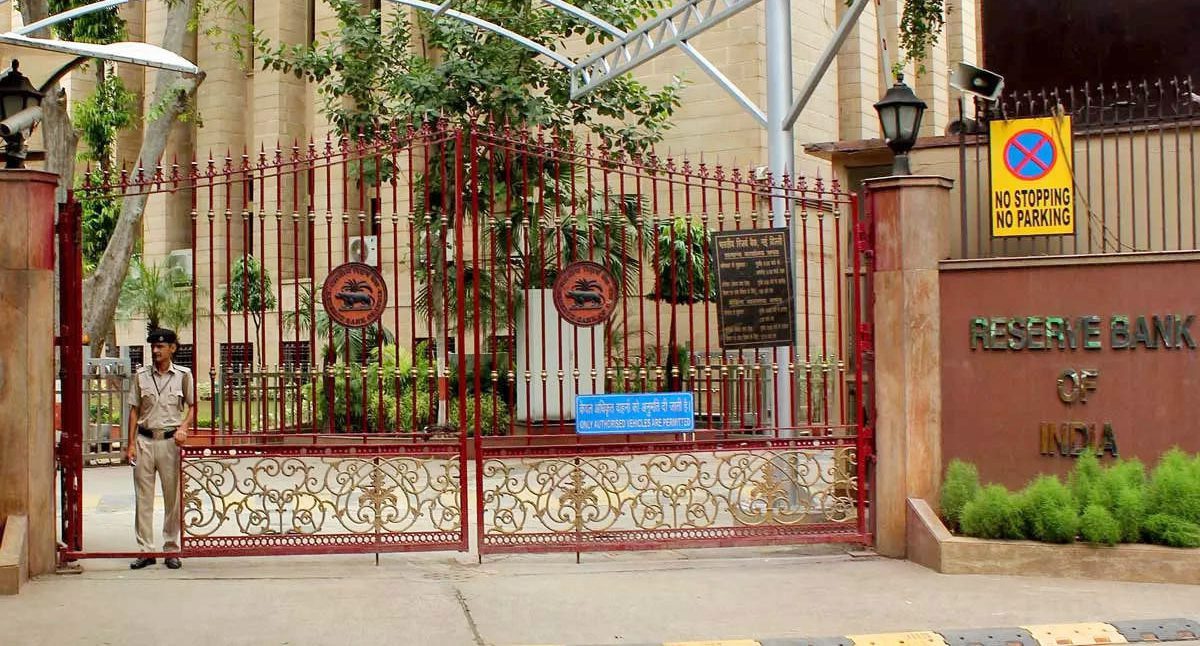
In a significant move for India’s cooperative banking sector, the Reserve Bank of India (RBI) released the draft ‘Urban Co-operative Banks – Licensing, Scheduling, and Regulatory Classification Guidelines, 2025’ for public comments today, i.e., Friday.
The draft explicitly states that “no fresh proposals for the organization of new Urban Co-operative Banks (UCBs) or for the conversion of cooperative credit societies into UCBs will be considered by the Reserve Bank of India.”
It is worth recalling that earlier, in his Monetary Policy Statement dated October 1, 2025, RBI Governor Sanjay Malhotra had said that since 2004, licensing for Urban Co-operative Banks (UCBs) had been paused. Considering the positive developments in the sector over the last two decades and in response to growing demand from stakeholders, he said, “we propose to publish a discussion paper on the licensing of new UCBs.
The RBI’s latest communication, however, is only a draft and not a final notification. This means the restriction on granting new UCB licences is temporary for now, and the final framework will be issued after reviewing public comments.
Under the draft framework, RBI has reaffirmed the four-tier classification introduced in December 2022. UCBs are categorized by deposit size- from small unit and salary earners’ banks (Tier 1) to large multi-state entities (Tier 4) with deposits exceeding Rs 10,000 crore.
Only Tier 3 and Tier 4 UCBs meeting the Financially Sound and Well-Managed (FSWM) criteria and maintaining minimum deposits for two consecutive years will qualify for inclusion in the Second Schedule of the RBI Act, 1934.
These banks must maintain a Capital to Risk-weighted Assets Ratio (CRAR) at least 3 percentage points above the minimum regulatory requirement and must have no major supervisory concerns.
Comments on the draft may be submitted on or before November 10, 2025, via the ‘Connect 2 Regulate’ section on the RBI website, using the hyperlink provided against the document, or by email, with the subject line: “Feedback on (full name of the draft Master Direction / Guideline, including the type of Regulated Entity).”
RBI has clarified that feedback suggesting modifications or review of existing instructions will not be considered under this consultation.
The draft underscores RBI’s efforts to balance prudential regulation with the cooperative ethos of UCBs, while strengthening oversight for larger institutions seeking to expand operations.











































Really a wise move, in the present scenario.