
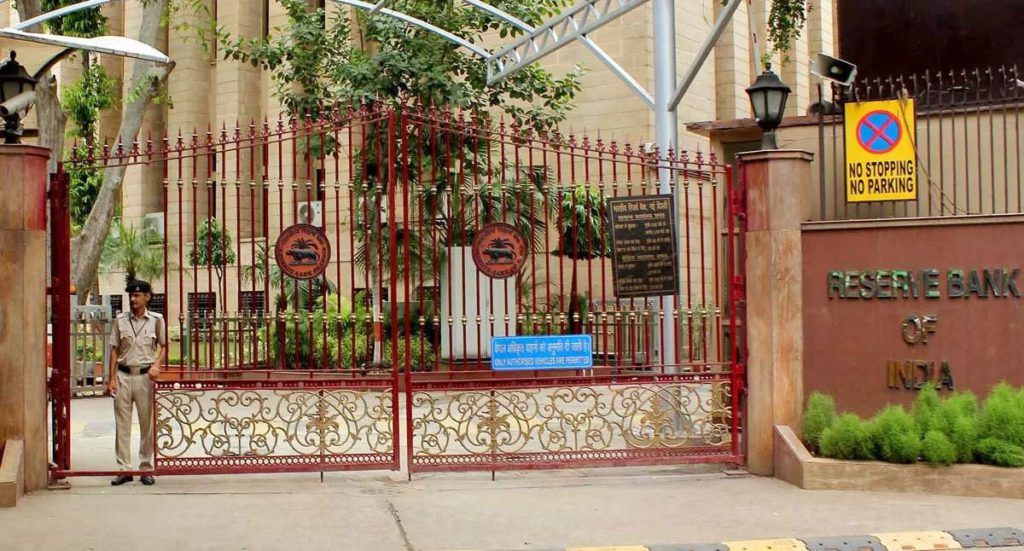
The Reserve Bank of India has introduced a revised framework to ensure faster and more structured relief to borrowers affected by natural calamities, bringing time-bound and uniform procedures across both urban and rural co-operative banks.
Under the new norms, banks must invoke a resolution plan within 45 days from the date of declaration of a calamity and implement it within 135 days, replacing the earlier open-ended system. In exceptional cases, a one-time extension of up to 30 days for invocation may be permitted with RBI approval.
Relief measures can be initiated either on borrower request or suo motu, based on recommendations of State Level Bankers’ Committees (SLBCs), Union Territory Level Bankers’ Committees (UTLBCs), or District Consultative Committees (DCCs). Borrowers must also be given the option to opt out of such plans within the implementation period.
Eligibility is restricted to standard accounts not overdue for more than 30 days as on the date of occurrence of the calamity. The framework does not apply to accounts already restructured before the effective date or to refinance portfolios.
Banks may offer relief through rescheduling of payments, conversion of interest into a separate credit facility, and additional finance, depending on borrower viability. They are also required to factor in insurance claims and government relief measures while designing resolution plans.
Importantly, restructured accounts may continue to be classified as ‘standard’, and those that slip into NPA during the interim can be upgraded upon implementation of the resolution plan. However, banks must maintain an additional 5% provision, with further provisioning required in case of repeated restructuring.
The framework mandates board-approved policies, clear delegation of powers, and half-yearly reporting of relief measures on RBI’s CIMS portal, even if no relief is extended.
To ensure continuity of banking services in affected areas, banks are allowed to operate from temporary premises, deploy mobile banking facilities, restore ATM services quickly, and provide basic banking access to displaced persons. They may also waive or reduce customer charges for up to one year in calamity-hit regions.
The new framework will come into effect from July 1, 2026.