
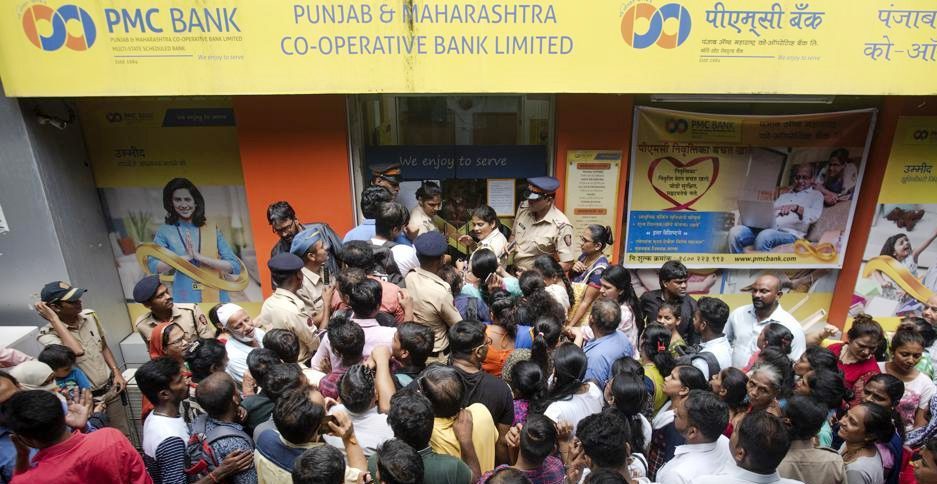
The Bombay High Court has disposed of a batch of petitions challenging the amalgamation of Punjab and Maharashtra Co-operative Bank with Unity Small Finance Bank, effectively declining to interfere with the resolution scheme framed by the Reserve Bank of India under the Banking Regulation Act, 1949.
A Division Bench of Justices Bharati Dangre and Manjusha Deshpande, in its judgment dated March 9, 2026, declined to grant any relief to petitioners who had sought to quash the 2022 amalgamation scheme, thereby bringing an end to prolonged litigation over the PMC Bank crisis.
The Court noted that all petitions challenged the Central Government notification dated January 25, 2022, which approved the RBI-framed scheme under Section 45 of the Banking Regulation Act. The petitioners had argued that the scheme violated constitutional rights and imposed an unfair, staggered payout mechanism extending up to 10 years.
However, the Bench upheld the regulatory action in principle, emphasizing that the scheme was framed in the larger public interest to safeguard depositors and ensure systemic stability. It observed that the RBI, as the banking regulator and an expert body, acted within its statutory powers after discovering “serious financial irregularities” and a “precarious financial condition” at PMC Bank.
The judgment records that the 2019 inspection revealed massive undisclosed exposure to the HDIL Group, manipulation of accounts, and concealment of non-performing assets, resulting in a negative net worth exceeding Rs 5,000 crore and significant erosion of deposits. These findings justified urgent regulatory intervention to protect depositors’ interests.
Importantly, the Court accepted RBI’s position that amalgamation was a more viable alternative than liquidation, which could have resulted in even greater losses and uncertainty for depositors. It noted that the scheme ensured continuity through capital infusion in Unity Bank and provided a structured repayment mechanism.
Under the scheme, insured deposits up to Rs 5 lakh are covered through the deposit insurance framework, while the remaining amounts are to be repaid in a phased manner over time. The framework also provides for no interest for an initial period, followed by a modest rate thereafter, as part of the structured payout design.
The Court acknowledged objections to delayed payouts but did not find the framework arbitrary, illegal, or unconstitutional. It reiterated that policy decisions in complex financial and economic matters warrant limited judicial interference unless found to be manifestly unreasonable.
With the petitions now disposed of, the RBI-backed resolution plan remains fully operational, providing a long-term roadmap for recovery, asset resolution, and repayment to depositors affected by one of India’s biggest cooperative banking crises.