






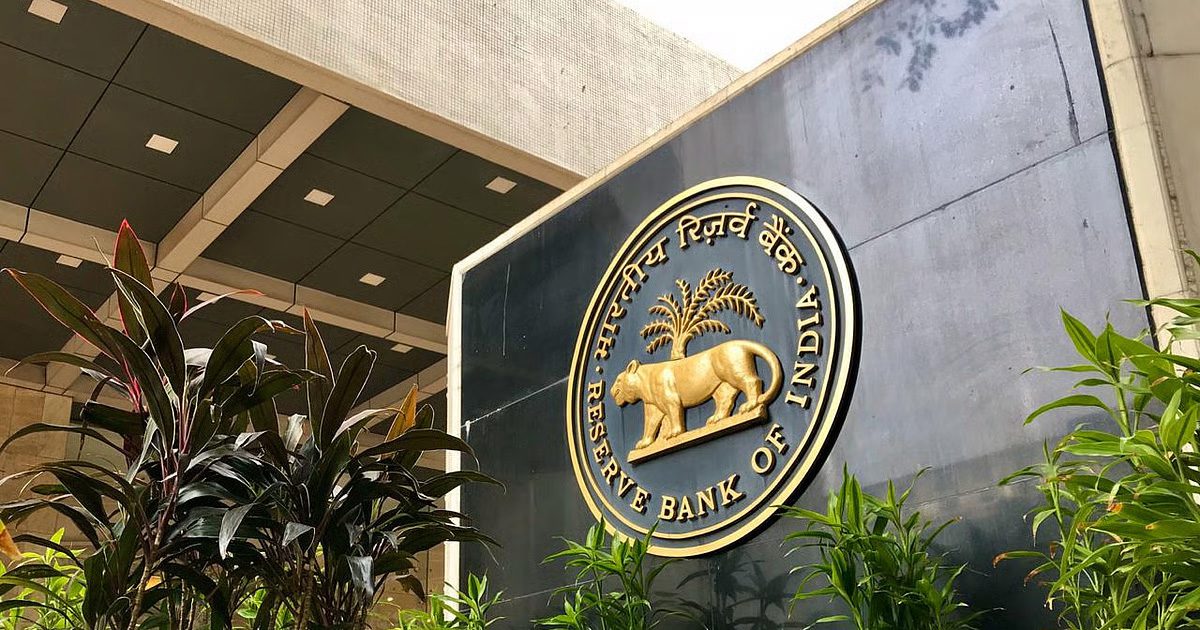
The Reserve Bank of India (RBI) has released two separate draft Directions on Transaction Accounts, one for Urban Co-operative Banks (UCBs) and another for Rural Co-operative Banks (StCBs and DCCBs).
These draft guidelines, placed in the public domain for comments, aim to harmonise and rationalise norms for current, cash credit, and overdraft accounts across the cooperative banking system. The proposed norms are to be implemented from April 1, 2026.
The Reserve Bank of India (Urban Co-operative Banks- Transaction Accounts) Directions, 2025 seek to regulate the opening and maintenance of transaction accounts by UCBs. Under the draft, for borrowers with aggregate exposure of less than Rs 10 crore, banks will have the flexibility to maintain transaction accounts. For exposures of Rs 10 crore or more, only two lending banks meeting a 10% exposure criterion will be permitted to maintain such accounts.
The draft also provides for the concept of collection accounts, which any bank, whether lending or not, may operate. Funds received in such accounts must be transferred within two working days to designated transaction accounts. The norms further mandate robust monitoring systems, regular compliance reviews, and clear identification of such accounts in the core banking solution (CBS).
Similarly, the Reserve Bank of India (Rural Co-operative Banks – Transaction Accounts) Directions, 2025 extend these norms to State Co-operative Banks (StCBs) and District Central Co-operative Banks (DCCBs). The provisions are broadly aligned with those for UCBs, covering restrictions based on borrower exposure, eligibility of banks to maintain accounts, and the operation of collection accounts.
The draft Directions also exempt certain categories of accounts, such as those mandated under FEMA, statutory instructions, or those regulated by other financial sector regulators. Rural co-operative banks will, like UCBs, be required to monitor accounts at least half-yearly and ensure accounts are not misused for third-party transactions.
According to the RBI, these steps are part of a wider effort to bring uniformity, credit discipline and better risk monitoring across all categories of banks, including co-operatives.
By issuing separate but harmonised drafts for UCBs and Rural Co-operative Banks, the central bank has sought to address the unique structure of India’s cooperative banking network while ensuring depositors’ interests and systemic stability are safeguarded.














































Pleasure to listen easily