






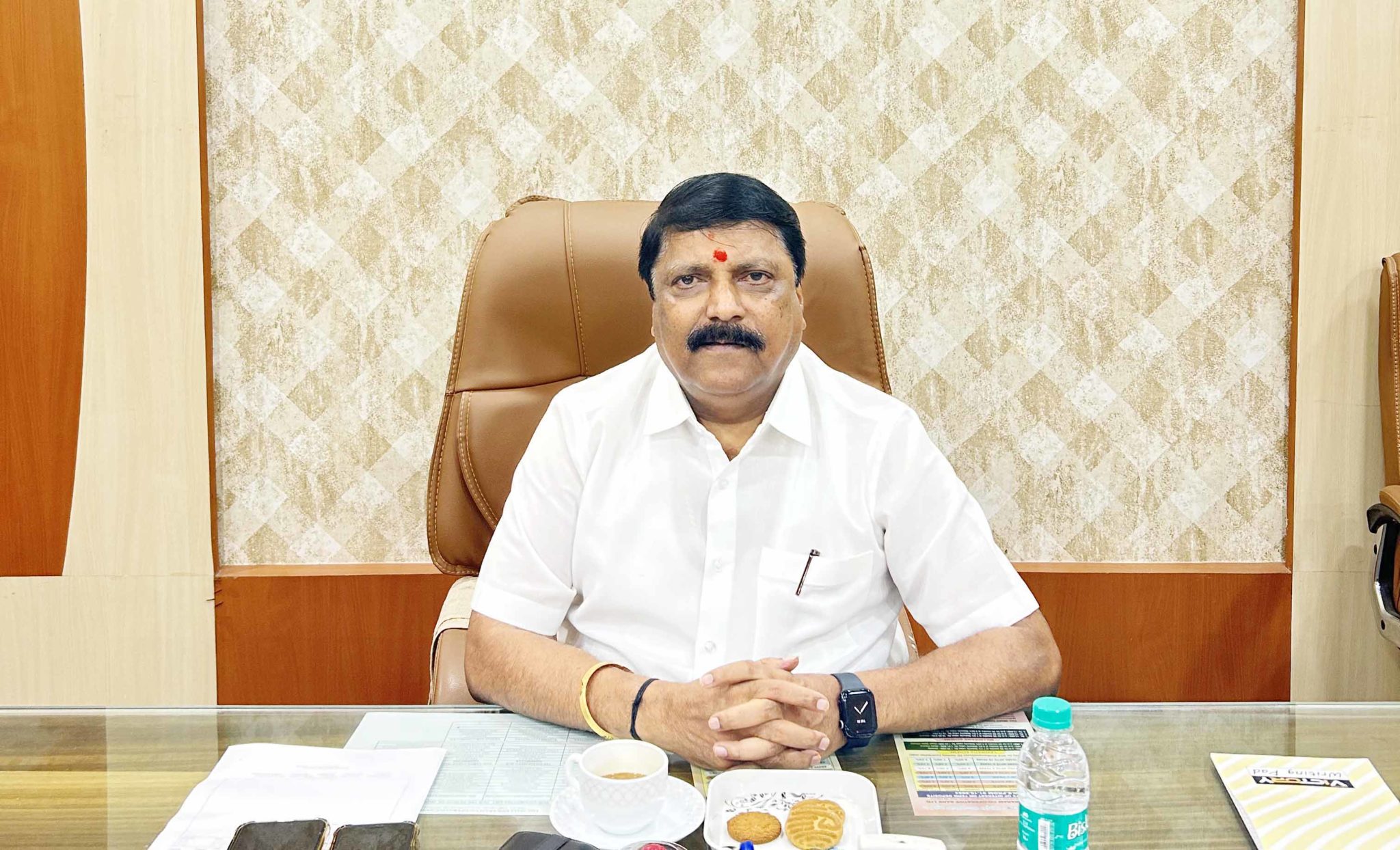
The century-old Malleshwaram Co-operative Bank based in one of Bangalore’s oldest localities, is actively working to overcome hurdles posed by the COVID-19 pandemic and its exposure of Rs 20 crore to the crisis-hit PMC Bank. Despite challenges, the bank is optimistic about growth and is striving to come out of the RBI’s Supervisory Action Framework (SAF).
Speaking exclusively to Indian Cooperative during a recent visit to the bank’s head office, Chairman Suresh N M shared insights into the bank’s current position, future goals, and regulatory constraints.
“We are on a growth path and have been witnessing steady progress year after year,” said Suresh. “As of 31st March 2025, the bank has registered deposits of Rs 734 crore and advances of Rs 481 crore, earning a net profit of Rs 18.32 crore.”
He added, “Our target is to cross the Rs 1,000 crore mark in deposits, which is easily achievable. However, being under SAF limits our ability to revise interest rates or offer digital services like mobile and internet banking. In today’s competitive market, these features are essential. We’re making every effort to exit the SAF and are confident of introducing these tech-enabled platforms soon.”
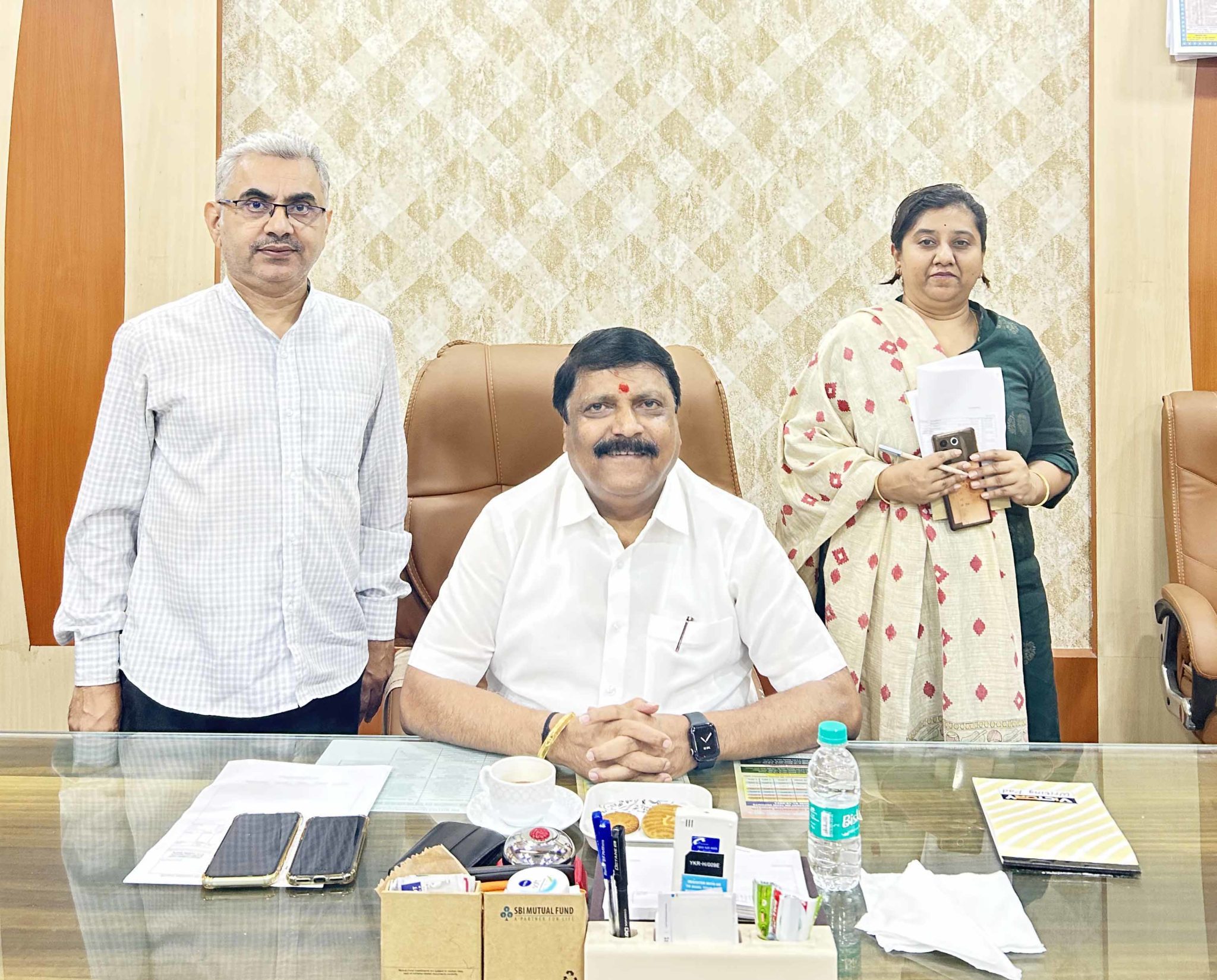 Suresh emphasized that the bank enjoys strong goodwill among its members and customers. “We meet nearly all the parameters required to exit SAF, except for our NPA levels. We are focused on bringing down the gross NPA from the current 15% to below 10%, and aim to bring net NPA to zero by the end of the financial year. The positive aspect is that all outstanding dues are recoverable and traceable.”
On the issue of regulatory action, the Chairman appealed to the Reserve Bank of India for a more differentiated approach. “All co-operative banks should not be painted with the same brush. Many urban co-operative banks like ours are doing commendable work in providing financial services to underserved communities where no commercial bank is willing to step in.”
He also called for removal of the cap on small-ticket loans, stating it acts as a barrier to business growth.
Addressing speculation about conversion into a Small Finance Bank (SFB), Suresh firmly ruled it out. “We have no plans to convert into an SFB. We believe in the co-operative model and want to preserve our legacy and culture.”
The Malleshwaram Co-operative Bank was founded on 20th June 1920 by a group of visionary friends, government officers and cooperative thinkers, who felt the need for a bank to serve the residents of the then-newly developed Malleshwaram area.
Led by Sri V. Aiyaswamy Iyer, the first Board of Directors meeting was held on 4th July 1920, marking the beginning of a historic movement in Karnataka’s cooperative banking sector.














































Your performance and endeavor to progress with in Rbi guidelines,NPA accounts likely to be realized with securities available by the ensuing FY.hope Rbi shall take cognizance of the efforts made and positive results expected,shall make relaxation as requested by the BOD of the bank through TAFCUB mechanism particularly profits earned in yester FYs.
All the best.with regards,
Dr s s sharma chairman BOM The janata co op bank new delhi.