






Dileep Sanghani hailed Prime Minister Narendra Modi for surpassing Jawaharlal Nehru to become India’s longest-serving elected Prime Minister, describing it as a reflection of Modi’s visionary leadership, grassroots connect and unwavering public trust.
Modi, first elected in 2014, completed 4,399 uninterrupted days in office, overtaking Nehru’s elected tenure of 4,398 days between 1952 and 1964.
Sanghani said Modi’s leadership had transformed both India and the cooperative sector, while BJP leaders across the country praised his governance and achievements over the past 12 years.
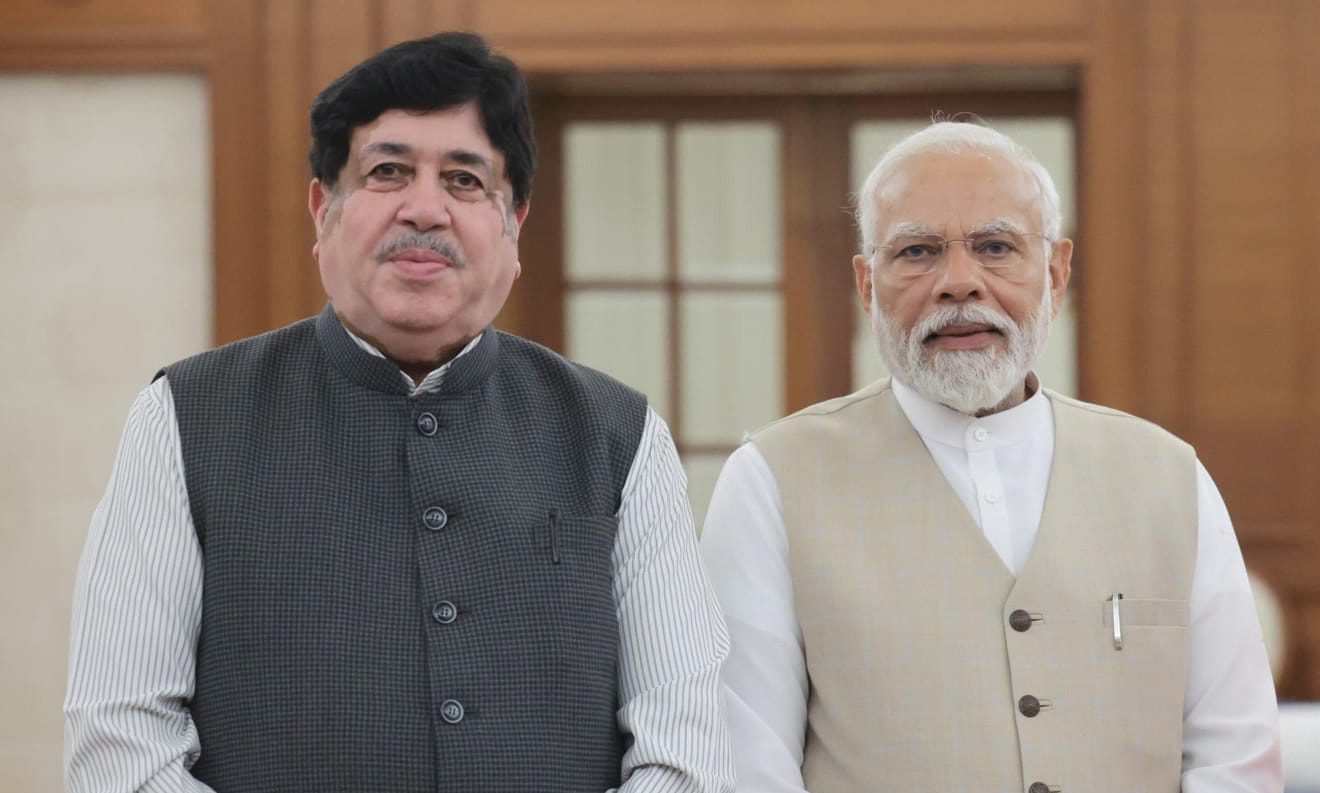
Recalling his long association with Modi from the days when the latter was active in Gujarat and the BJP organisation, Sanghani said he had witnessed Modi’s rise from close quarters and was therefore not surprised by his emergence as India’s longest-serving Prime Minister after Jawaharlal Nehru.
Sanghani said Modi’s political journey was rooted in struggle, discipline and organisational commitment. He recalled that during Modi’s early years as a BJP office bearer and later as a Lok Sabha MP, he would often stay at Sanghani’s MP quarters in Delhi.
According to him, both leaders worked closely during a period when the BJP was still expanding nationally and had not yet become the dominant political force it is today.
The IFFCO Chairman noted that countless grassroots workers contributed to strengthening the BJP across the country, but Modi stood apart because of his clarity of purpose, tireless work ethic and ability to inspire trust among ordinary people.
“Modi means reliability, faith and vision,” Sanghani remarked, adding that the Prime Minister’s appeal spread rapidly across India during his first term itself.
Sanghani particularly praised Modi for placing the cooperative sector at the centre of India’s development agenda. He said the Prime Minister clearly understood that in a country like India, where millions of people possess limited capital and resources, the cooperative model can become a powerful instrument for prosperity and empowerment.
He pointed out that Modi’s slogan “Sahakar Se Samriddhi” reflected a deep understanding of the cooperative philosophy and was not merely a political slogan.
According to Sanghani, the Prime Minister had recognised the importance of cooperatives much earlier through his association with veteran cooperative leader Laxman Rao Inamdar (Vakil Saheb) and through his long engagement with grassroots institutions in Gujarat.
The senior cooperative leader also highlighted the major initiatives taken during Modi’s tenure for strengthening cooperatives, including the creation of the Ministry of Cooperation, digital reforms, efforts to modernise cooperative institutions and policies aimed at empowering farmers, women and rural communities.
Sanghani said Modi’s leadership combined decisiveness with welfare-oriented governance and credited him for accelerating India’s growth while maintaining a strong focus on rural development and self-reliance.
He further stated that the Prime Minister’s policies had helped bring renewed energy and visibility to institutions linked with agriculture, dairy, fertilisers and village economies.
Extending his congratulations to Modi on completing 12 years in office, Sanghani wished him continued success and expressed confidence that India would continue progressing under his leadership with greater emphasis on inclusive growth, farmer welfare and cooperative development.