







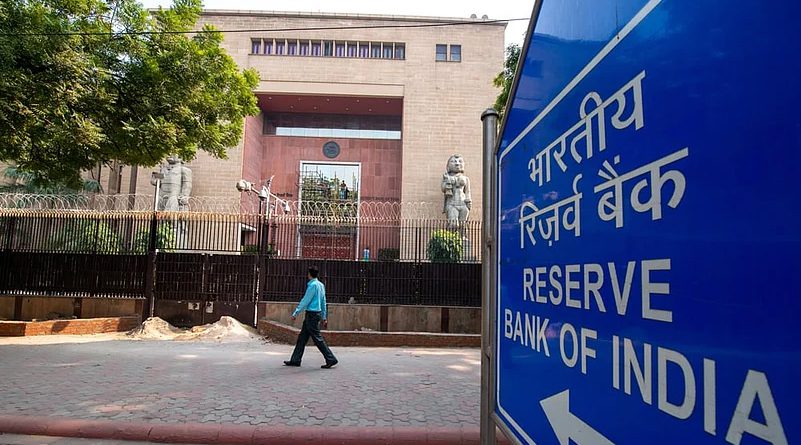
The Reserve Bank of India has unveiled draft Prudential Norms on Specified Non-financial Assets (SNFA), 2026, proposing a sharper and more disciplined framework for handling immovable assets acquired by banks during loan recovery. The move aims to improve transparency, limit balance-sheet risks, and standardise practices across lenders, including the cooperative banking sector.
The draft guidelines, open for public comments until May 26, 2026, will apply to all regulated entities, including commercial banks, NBFCs, and notably Urban Co-operative Banks, State Co-operative Banks, and Central Co-operative Banks.
By extending these norms uniformly, the RBI seeks to align cooperative institutions with broader banking system standards, an area that has long required tighter oversight.
SNFAs refer to immovable assets such as land and buildings acquired by lenders in full or partial satisfaction of their claims on borrowers, with ownership formally transferred. Under the proposed framework, such assets can be acquired only after a loan has turned non-performing and recovery options have been explored and deemed unviable, reinforcing that acquisition must remain a last-resort measure.
A key feature of the draft is its emphasis on conservative valuation. At the time of acquisition, SNFAs must be recorded at the lower of the net book value (NBV) of the extinguished exposure or the distress sale value, determined by at least two independent external valuers.
These assets must be revalued at least once every two years on a distress sale basis, with any decline in value recognised immediately in the profit and loss account, while valuation gains are not recognised.
The draft also introduces tighter accounting discipline by prohibiting recognition of unrealised income from the extinguished exposure. Further, any partial settlement through asset acquisition will be treated as restructuring, with the residual exposure attracting prudential norms applicable to restructured assets.
On disposal, the RBI has emphasised transparent and time-bound exit mechanisms. Regulated entities are required to make demonstrable efforts to sell such assets at the earliest, preferably through public auctions aligned with principles of the SARFAESI Act, 2002 to ensure fair price discovery.
Importantly, the draft prohibits the sale of these assets back to the defaulting borrower or related parties, even after they cease to be classified as SNFAs, thereby closing a key regulatory loophole. A maximum holding period of seven years has been prescribed, beyond which the asset will be deemed to be put to the bank’s own use and reclassified accordingly.
Additionally, the RBI has mandated that regulated entities put in place board-approved policies governing SNFA acquisition and disposal, including limits, delegation, and timelines. Separate disclosure and detailed reporting of SNFAs have also been prescribed, while excluding them from Gross and Net NPA calculations.
Overall, the proposed norms mark a significant step toward strengthening balance sheet transparency, improving recovery discipline, and bringing greater uniformity in the treatment of non-financial assets, particularly in the cooperative banking sector.