







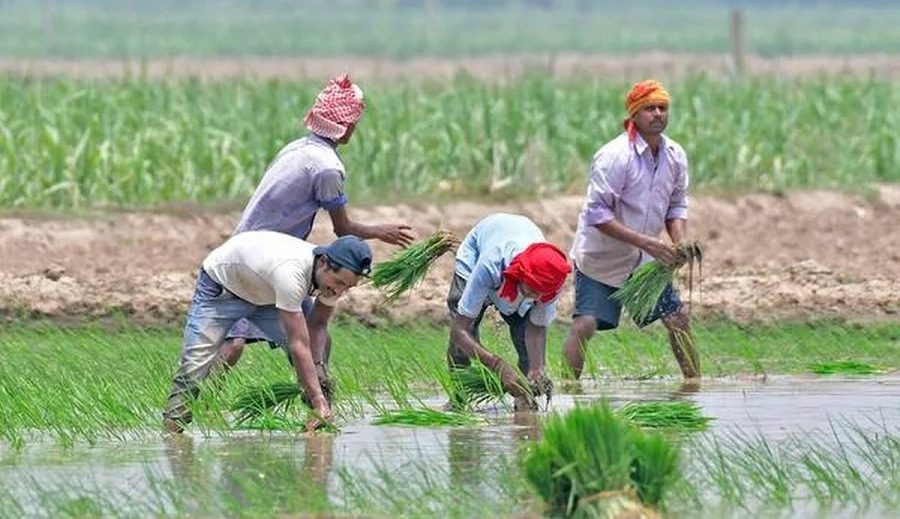
Bharatiya Beej Sahakari Samiti Limited (BBSSL) is playing a pivotal role in transforming India’s agricultural sector through the introduction of 78 improved crop varieties across eight key segments, including wheat, paddy, pulses, and other essential crops. The initiative reflects a strong push towards enhancing farm productivity, improving crop resilience, and ensuring better returns for farmers across the country.
The newly introduced crop varieties are designed to address diverse agricultural challenges such as climate variability, soil conditions, and pest resistance. By focusing on quality seeds and innovation, BBSSL aims to equip farmers with better tools to achieve higher yields and sustainable farming outcomes.
Backed by a vast and robust network of over 37,000 member cooperative societies, BBSSL has significantly expanded its outreach and impact. During the financial year 2025–26, the organization successfully supplied more than 3.24 lakh quintals of quality seeds to farmers nationwide.
This large-scale distribution has played a crucial role in improving seed accessibility, particularly in rural and underserved regions, where timely availability of quality seeds is often a challenge.
The initiative also aligns with the broader vision of strengthening the cooperative movement in India. By leveraging its extensive grassroots network, BBSSL ensures that the benefits of modern agricultural practices reach even the smallest and most remote farming communities. This cooperative-driven model not only enhances productivity but also promotes inclusive growth and self-reliance among farmers.
Experts believe that access to high-quality seeds is a critical factor in determining agricultural output, and BBSSL’s efforts are expected to contribute significantly to national food security. The introduction of diverse crop varieties also supports crop diversification, which is essential for maintaining soil health and reducing dependency on a limited number of crops.
The achievements of BBSSL highlight the growing importance of cooperative institutions in driving agricultural progress. With continued focus on innovation, distribution efficiency, and farmer engagement, the organization is set to further strengthen its role in India’s farming ecosystem.
The initiative resonates with the vision of “Sahkar Se Samriddhi,” emphasizing prosperity through cooperation, and marks another step forward in empowering farmers and enhancing the overall agricultural landscape of the country.