






Union Cooperation Minister Amit Shah on Wednesday highlighted the pivotal role of cooperatives in fertilizer distribution, revealing that Indian Farmers Fertiliser Cooperative Limited continues to dominate urea supply to cooperative societies in Rajasthan, while Krishak Bharati Cooperative Limited shows fluctuating trends.
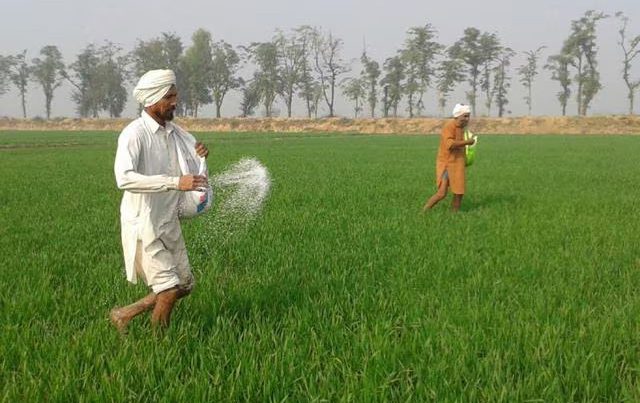
As per data tabled in the Rajya Sabha, IFFCO supplied over 5.55 lakh metric tonnes (MT) of urea in 2025-26 (till February), marking a steady rise from 4.80 lakh MT in 2022-23. Districts like Bhilwara, Bikaner, Ganganagar, and Nagaur remained top recipients, underlining IFFCO’s strong rural penetration.
In contrast, KRIBHCO’s supply declined to about 1.13 lakh MT in 2025-26 (till March), down from 1.59 lakh MT in 2023-24. While districts such as Bikaner, Ganganagar, and Hanumangarh continued to receive significant volumes, several regions saw reduced allocations, reflecting uneven distribution patterns.
The Minister clarified that urea allocation is centrally decided by the Department of Fertilizers, while intra-state distribution is managed by state governments, ensuring localized control.
To strengthen access for farmers, Shah noted that over 38,000 PACS have been converted into Pradhan Mantri Kisan Samriddhi Kendras (PMKSKs), offering fertilizers, seeds, and advisory services under one roof. Additionally, all subsidized fertilizers are now marketed under the ‘Bharat’ brand to eliminate confusion.
The government is also leveraging the Integrated Fertilizer Monitoring System (iFMS) to track real-time movement, aiming to ensure timely availability for small and marginal farmers.