






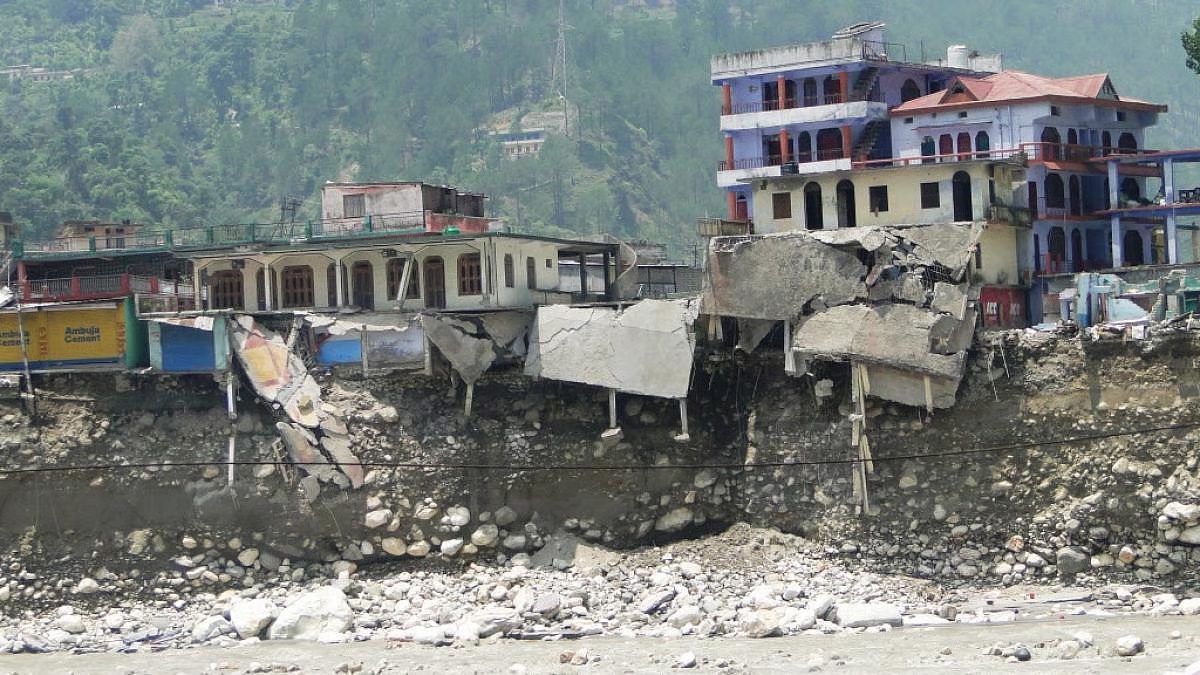
The Reserve Bank of India (RBI) has issued draft guidelines proposing relief measures for borrowers affected by natural calamities such as floods, cyclones, droughts and similar disasters. The proposed framework aims to help banks support customers whose repayment capacity is temporarily impacted due to such events.
The draft guidelines apply to Rural Co-operative Banks and Urban Co-operative Banks and seek to bring greater uniformity in relief measures across regulated entities. The framework is proposed to come into force from April 1, 2026, after completion of the public consultation process.
As per the draft norms, borrowers whose loan accounts are classified as standard and are overdue by not more than 30 days as on the date of occurrence of the natural calamity will be eligible for relief. This ensures that borrowers with an otherwise satisfactory repayment track record are not adversely affected due to short-term disruptions caused by such events.
The RBI has proposed greater flexibility for banks in designing resolution plans for eligible borrowers. Relief may be provided through measures such as rescheduling of loan repayments, grant of moratorium on instalments, or sanction of additional finance, based on an assessment of the borrower’s viability. These measures will be guided by the recommendations of the State Level Bankers’ Committees (SLBCs) or District Consultative Committees (DCCs), as applicable.
To facilitate timely assistance, the draft guidelines prescribe defined timelines. Banks are required to invoke the resolution process within 45 days from the declaration of a natural calamity and complete implementation of the resolution plan within 90 days from the date of invocation.
Importantly, loan accounts restructured under this framework will continue to be classified as standard, subject to compliance with the guidelines. Accounts that may have slipped into non-performing asset (NPA) status after the occurrence of the calamity but before implementation of the resolution plan may be upgraded to standard upon implementation.
Under the draft norms, banks will be required to maintain an additional specific provision of 5 per cent on outstanding debt in respect of restructured accounts, in accordance with the prescribed prudential requirements.
The draft guidelines also emphasise continuity of banking services in calamity-affected areas. Banks may operate temporary branches, deploy mobile banking units, set up extension counters, and take steps to restore ATM services at the earliest to meet customer needs.
The RBI has invited comments from stakeholders and the public by February 17, 2026, before finalising the guidelines. The proposed framework is intended to mitigate long-term financial stress for borrowers affected by natural calamities, while ensuring prudential discipline within the co-operative banking sector.