






Rajasthan’s Cooperation Minister Gautam Kumar Dak has announced that the Mukhyamantri Awdhipar Byaj Rahat Ekmust Samjhauta Yojana 2025–26, launched to provide relief to defaulter borrowers of Land Development Banks, has received an overwhelmingly positive response.
The scheme, which offers a 100 percent waiver on overdue interest for eligible defaulters who repay only the principal amount, is already showing a transformative impact across the state. Farmers and small entrepreneurs, long stuck in cycles of debt, are now regaining control over their lives and assets, returning to the economic mainstream with renewed confidence.
As of now, 3,410 borrowers have collectively repaid around Rs 33 crore as principal, which has allowed the state to waive Rs 44 crore in interest dues. This early momentum is encouraging, particularly when seen against the larger backdrop of 30,010 identified eligible defaulters spread across 36 primary cooperative land development banks. If all these borrowers come forward to repay the principal amounts due, the state could recover Rs 326 crore, while extending a massive Rs 534 crore in interest relief.
The financial impact is not just limited to numbers; it is visibly altering the economic landscape for families previously caught in debt traps. One such example is that of Baljeet Mev and his son, residents of Titpuri village in Alwar district.
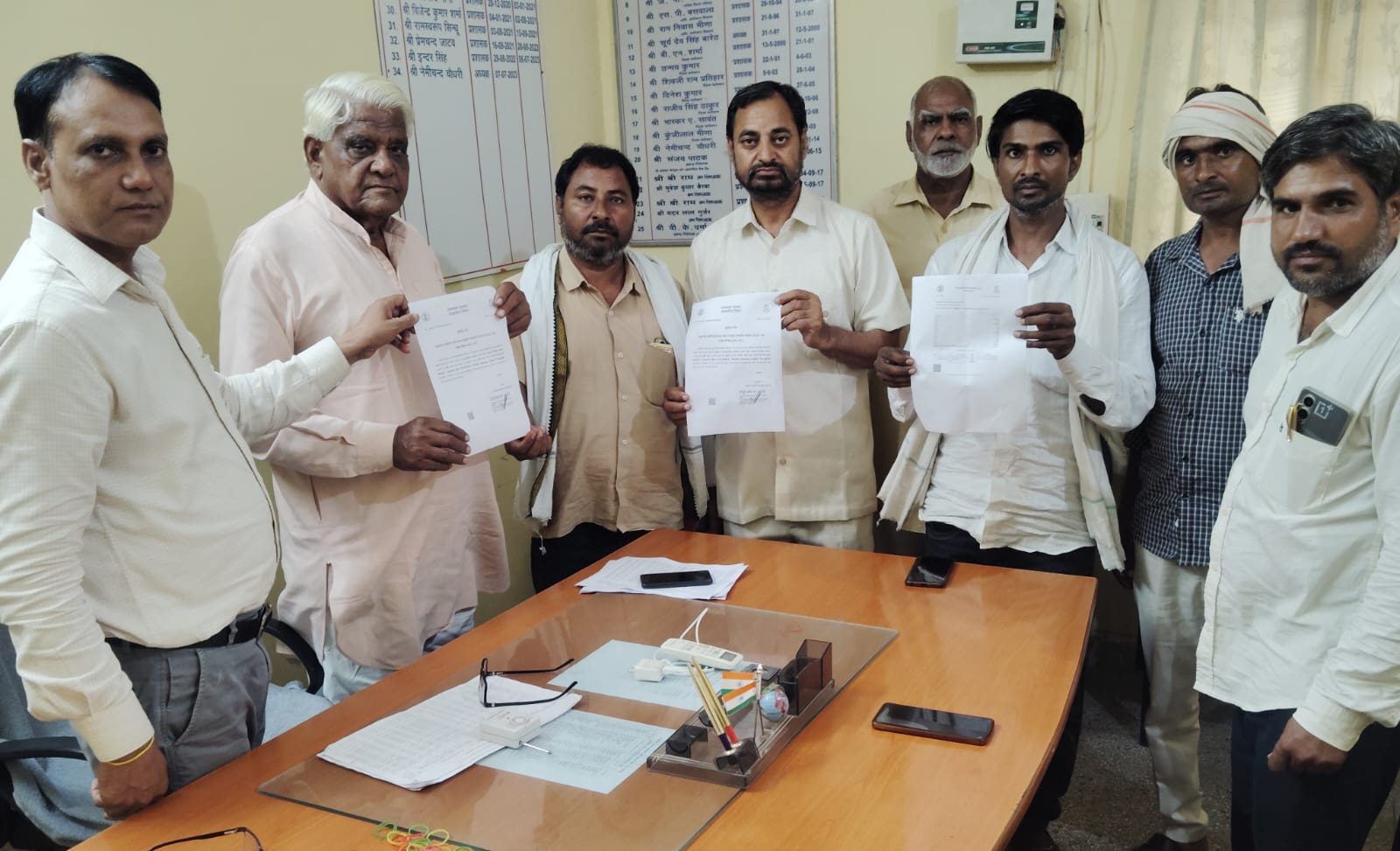
Their total default stood at Rs 55.84 lakh, a figure that had rendered them financially paralyzed. However, by depositing Rs 18.61 lakh towards the principal, they became eligible for an interest waiver of Rs 37.23 lakh.
With this, not only was their liability cleared, but their land, earlier seized under Section 103 of the Rajasthan Cooperative Societies Act, 2001, will now be returned, offering them a fresh chance at agricultural livelihood and financial self-reliance.
The scheme’s success is rooted in a mix of political will and administrative efficiency. Minister Dak has been vocal about his commitment to reviving cooperative institutions in Rajasthan, frequently emphasizing transparency and accountability. The move to digitize primary agricultural credit societies and the scrutiny of financial irregularities have lent further credibility to the department’s work.
The interest waiver initiative is being seen not just as a financial relief package, but also as a confidence-building measure, helping bridge the trust gap between rural communities and formal lending institutions. Farmers who had written off any hope of reclaiming their mortgaged land are now returning to their fields, and small entrepreneurs who had lost access to capital are beginning to re-engage with cooperative banks.
There is also a wider social impact unfolding, reduced financial stress is likely to translate into better educational and health outcomes for families, and a more robust and inclusive rural economy.
The road ahead will depend on sustaining this momentum. Awareness drives, simplified procedures, and timely restoration of land records will be key to ensuring that the remaining defaulters also come forward.
The scheme, in its intent and early success, underscores how targeted policy combined with institutional reform can make a lasting difference in people’s lives. Rajasthan’s cooperative sector, often viewed as stagnant and underperforming, appears to be entering a phase of meaningful renewal, one in which long-excluded rural borrowers are finally being given a fair chance to start over.