






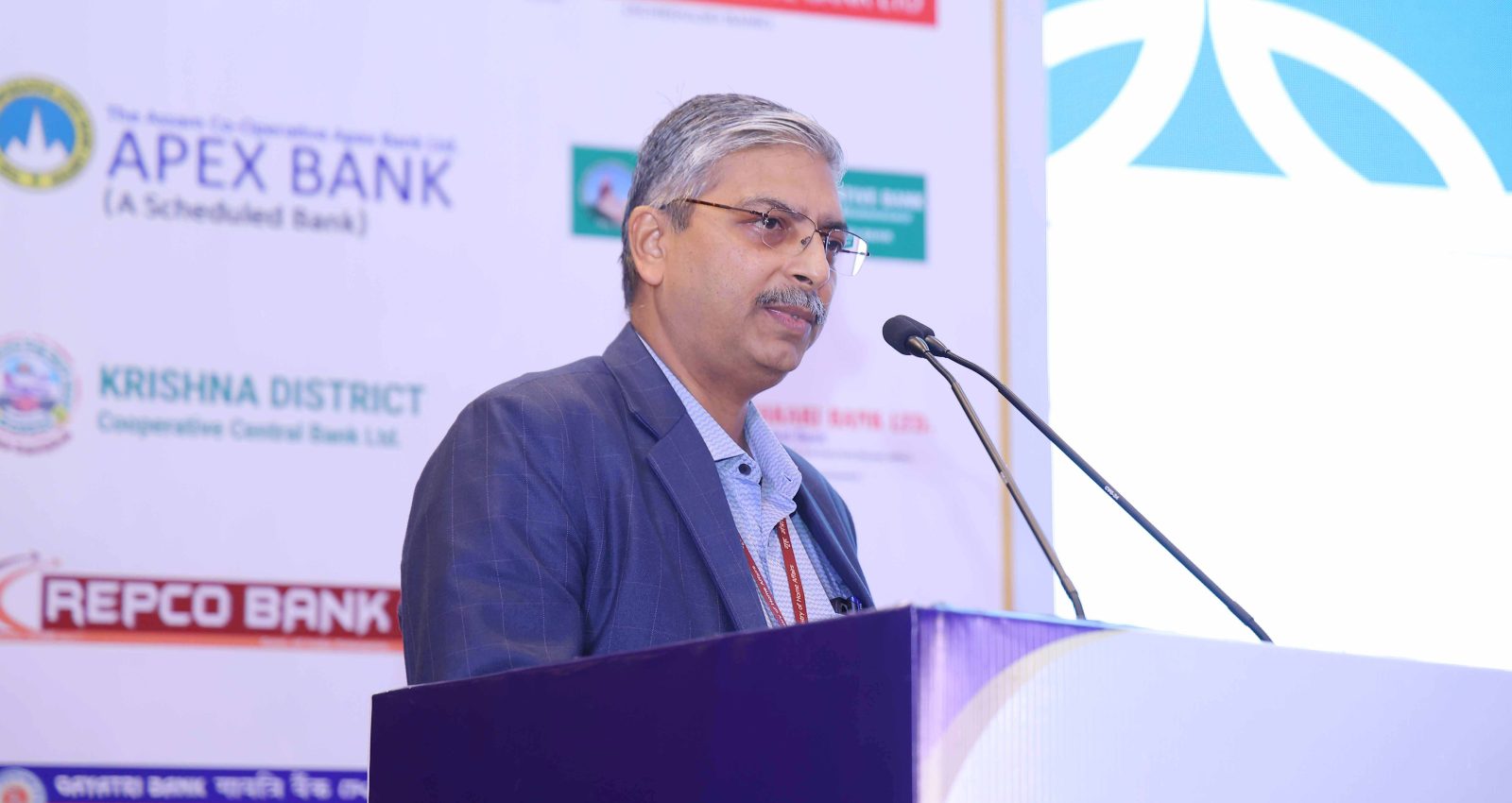
Strong governance, rather than financial size, will determine the future of cooperative institutions, Dr K K Tripathy, Joint Secretary, Economic Advisory Council to the Prime Minister, said, warning that institutional failures often begin when difficult questions go unasked.
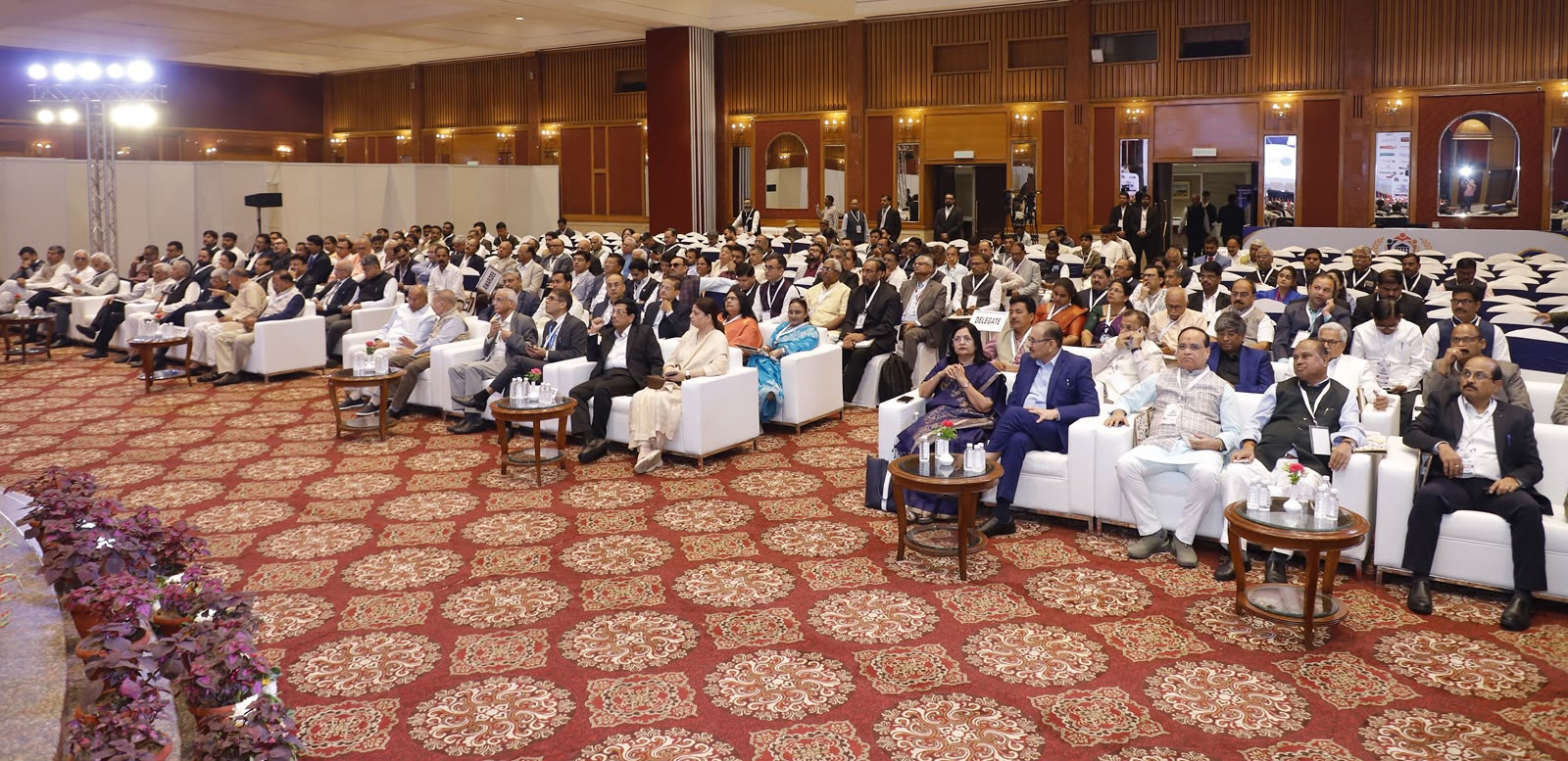
Delivering a presentation titled ‘Governance in Coops: Professional Governance with Cooperative Values’ at the Indian Cooperative Summit & Excellence Awards 2026, held on November 19 at The Ashok Hotel, New Delhi, Tripathy said transparency, accountability, professional management and ethical leadership are essential for sustainable cooperatives.
“Every cooperative failure begins the same way. It rarely starts with fraud. It starts with, ‘No one asked the difficult question,'” he observed.
He identified five major governance challenges: interference in board functioning, insider lending and conflicts of interest, regulatory complexity, inadequate member participation, and weaknesses in technology and professional risk management.
Emphasising the distinction between the board and management, Tripathy said boards should provide strategic direction and monitor performance rather than interfere in daily operations or individual credit decisions. “The Board should hold the steering wheel of strategy, but should not sit in the driver’s seat of daily operations,” he remarked.
 On insider lending, he stressed that related-party transactions must be transparent and decisions based on objective considerations. He also called for proportionate regulation, with smaller societies receiving adequate handholding and larger institutions subjected to intensive supervision.
Highlighting the democratic deficit, he advocated timely elections, informed members, transparent disclosures and meaningful participation in Annual General Meetings, observing that a cooperative without active members is cooperative only in name.
A key highlight of his presentation was the TRUST framework, comprising Transparency, Responsibility, Unity of Purpose, Systems and Trust. He explained that timely audits, digital records, fair procurement, internal controls, risk management and clear accountability mechanisms are essential to building institutional credibility.
Tripathy also called for regular audits, e-voting, social accountability, compliance frameworks and member-awareness programmes. Pointing to gaps in tracking disqualified board members and monitoring audit failures and non-filing of returns, he stressed the need for greater digital transparency and improved coordination with MCA, GSTN and banking databases.
Summing up his message, he said, “Cooperatives must remain cooperative in ownership, but corporate in governance quality,” emphasising that governance must strengthen the cooperative character rather than dilute it.