






The National Federation of Urban Cooperative Banks and Credit Societies (NAFCUB) has adopted a nine-point Delhi Declaration, seeking major policy and regulatory reforms for cooperative credit and thrift societies, including a DICGC-like deposit protection mechanism and access to SARFAESI recovery provisions.
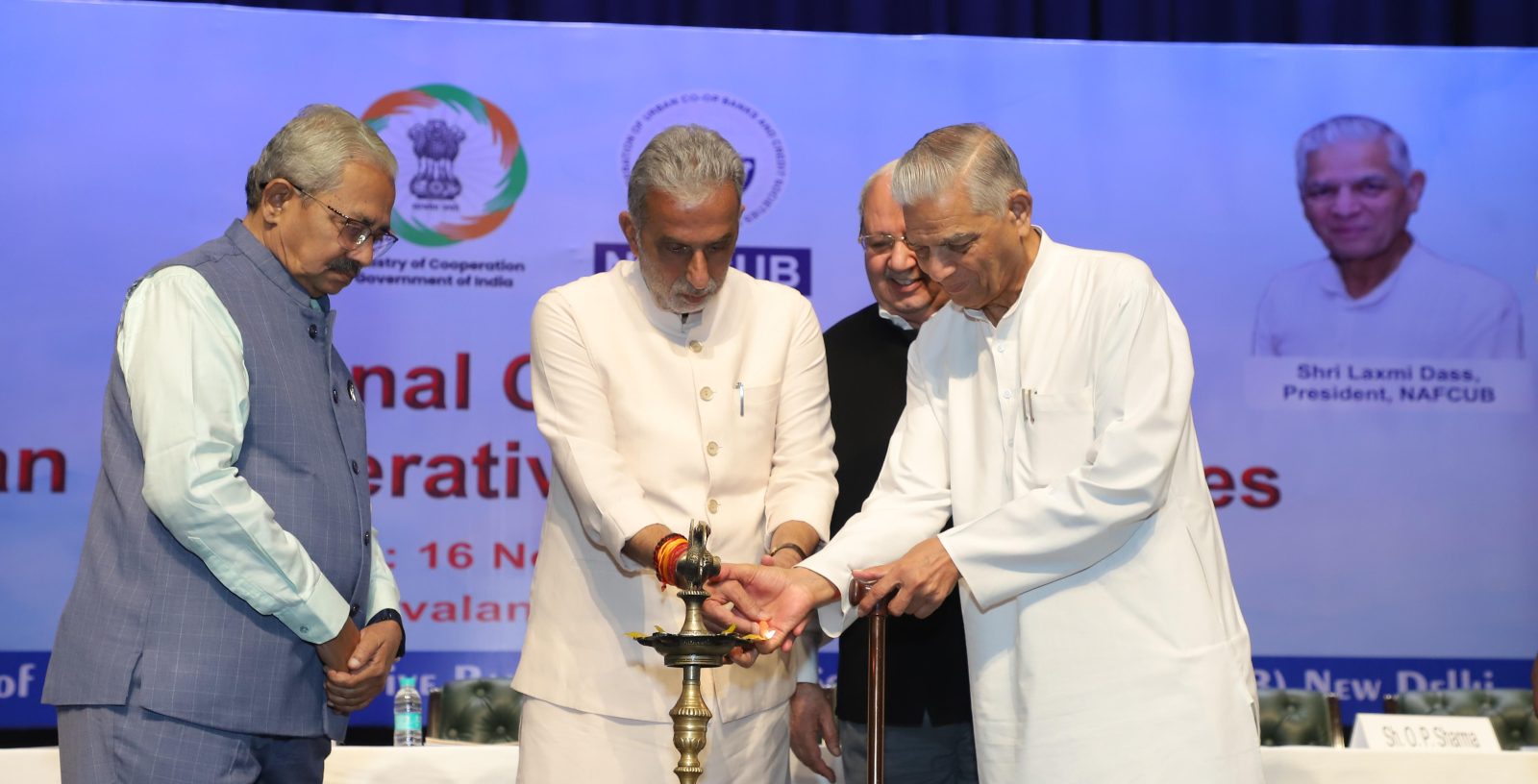
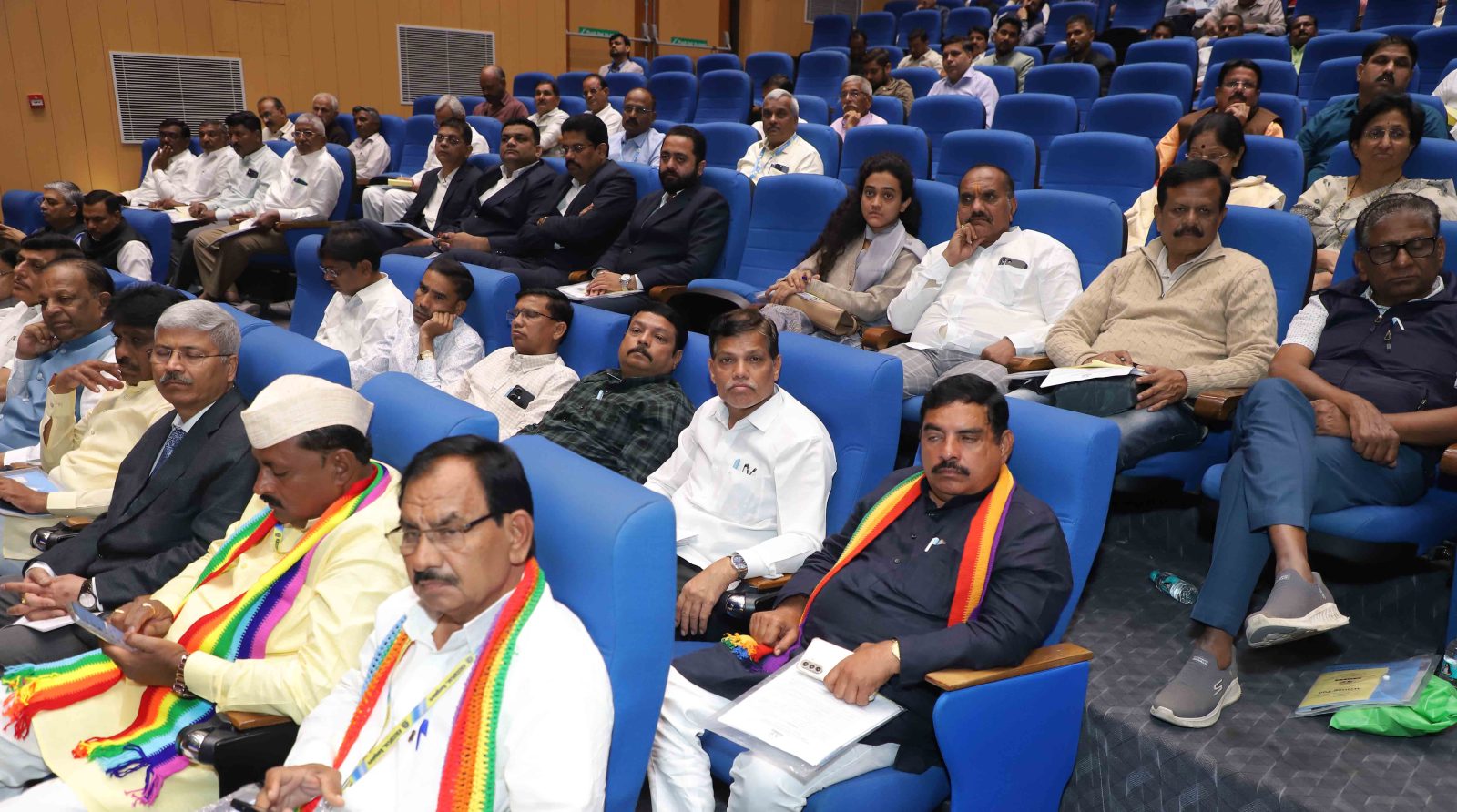
The declaration was unanimously adopted at the National Conclave of the Urban Cooperative Credit Sector, organised as part of NAFCUB’s Golden Jubilee celebrations ahead of the Federation completing 50 years in February 2027. Around 200 delegates from across the country participated.
Union Minister of State for Cooperation Krishan Pal Gurjar, the Chief Guest, described the conclave as an important platform to prepare a roadmap for strengthening the cooperative credit movement. He outlined five pledges for the sector: professional governance and transparent audits, adoption of modern technology, member-centric lending, disciplined expansion and stronger cooperation among cooperative institutions.
He urged societies to focus on small traders, MSMEs, women and young entrepreneurs while extending credit to underserved areas. He also assured participants of the Ministry’s support in resolving regulatory issues.
The nine-point declaration calls for RBI-friendly Entry Point Norms for credit societies aspiring to become banks, government assistance for affordable technology, financial support for training and capacity building, and strict statutory compliance.
 It also seeks a deposit protection framework on the lines of DICGC, liquidity support similar to that available to Urban Cooperative Banks through NUCFDC, stronger recovery mechanisms through dedicated units and extension of SARFAESI provisions or similar protection to credit societies. Strengthening state and national-level cooperative organisations is another key demand.
Addressing the gathering, NAFCUB President Laxmi Dass said the Federation was equally committed to cooperative credit societies and UCBs. He invited societies to submit their unresolved issues to NAFCUB for taking them up with the concerned authorities.
NAFCUB Director Uday Joshi highlighted that India has more than 86,000 cooperative credit societies, yet their contribution to the national economy remains limited. He flagged the absence of DICGC coverage and unresolved income-tax issues.
Dr. K.K. Tripathy, Joint Secretary, Economic Advisory Council to the Prime Minister, stressed that the future of cooperatives would depend on governance standards rather than balance-sheet size. Presenting his TRUST framework — Transparency, Responsibility, Unity of Purpose, Systems and Trust — he called for professional management while preserving cooperative values.
Cybersecurity also featured prominently. Delhi Police officer Anyesh Roy revealed that over 53.87 lakh cyber fraud complaints involving more than ?56,087 crore were reported between FY 2023-24 and FY 2025-26. He urged cooperative institutions to strengthen transaction controls, vendor management and cyber awareness.
Dr. Sanjay P. Hosmath, Director, Karnataka State Cooperative Credit Societies Federation, read out the Delhi Declaration, which was adopted after suggestions from participating delegates.