






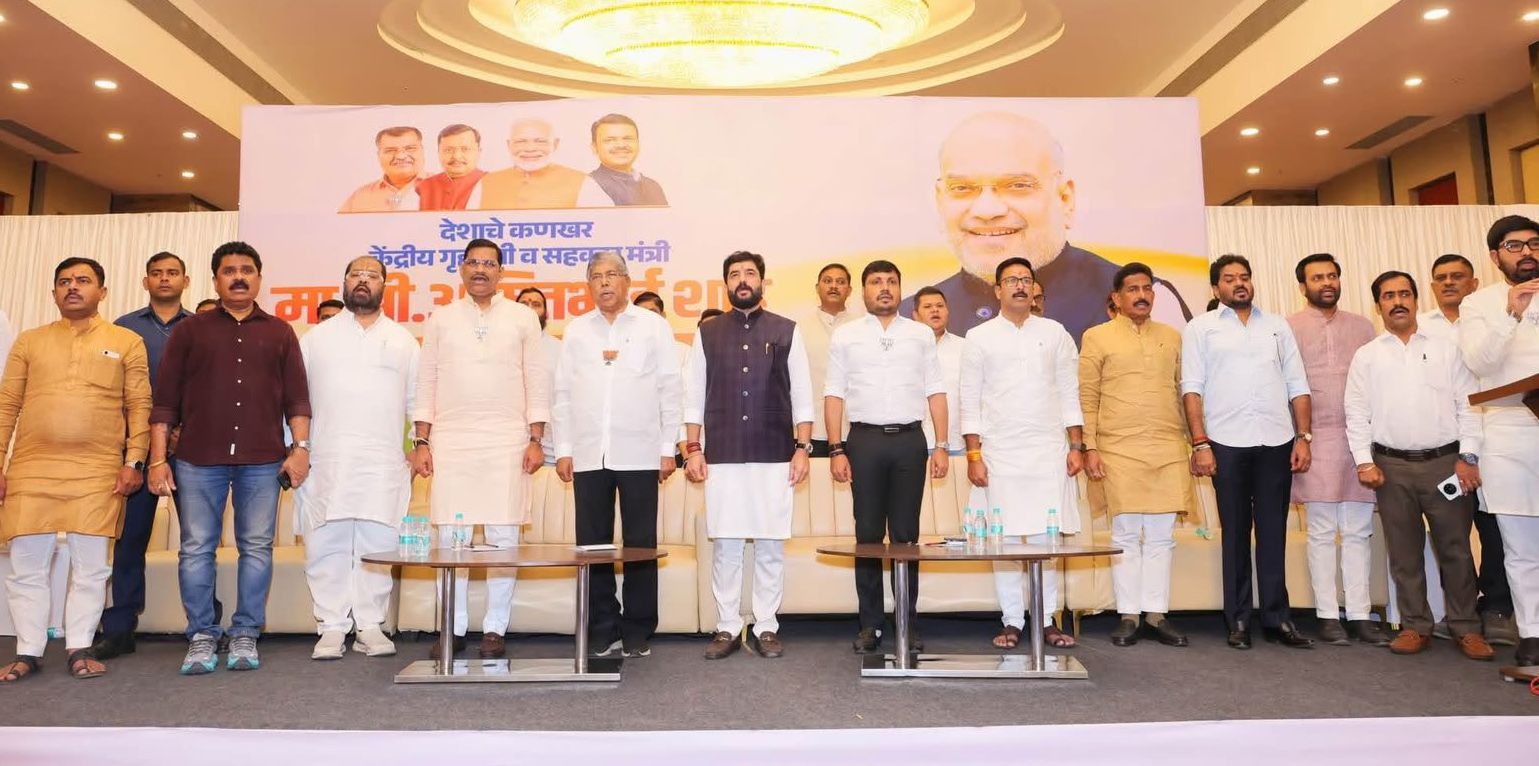
National Heavy Engineering Cooperative, which has remained closed for several years, is set to be revived, with the foundation stone for its revival project scheduled to be laid on November 15, Union Minister of State for Cooperation Murlidhar Mohol announced while speaking at an event in Maharashtra.
Describing the development as a major achievement for the cooperative sector, Mohol said the institution was established in 1974 and played an important role in manufacturing machinery for the sugar industry. Its products were once exported to international markets.
He said the closure of such an important institution was unfortunate, particularly for Maharashtra, which has a strong cooperative movement.
Mohol credited Union Cooperation Minister Amit Shah with taking the initiative to revive the organisation, with support from the Central Government and several major cooperative institutions.
The November 15 foundation stone-laying ceremony will mark an important step in the revival process. Mohol added that issues concerning outstanding bank loans and workers would also be addressed as part of the initiative.
Once revived, the organisation will manufacture machinery for sugar factories and the dairy sector. The project is expected to generate employment opportunities in Maval and Pune district while restoring the institution’s export potential.
Calling the development a matter of pride for Maharashtra and the country, Mohol said the revival would provide fresh momentum to the cooperative industrial sector.
The Talegaon Dabhade-based National Heavy Engineering Cooperative has a significant place in Maharashtra’s cooperative industrial history. Established in 1974, the Pune-based institution was set up to provide engineering and machinery support to the country’s growing cooperative sugar industry.
Over the years, it developed capabilities in manufacturing sugar-processing equipment, machinery for cement and steel plants, windmill spare parts and other heavy engineering products. It served several prominent domestic sugar companies, including Balrampur, Dhampur, Mawana and Birla Sugar Mills, besides catering to international clients in Nepal, Bangladesh, Uganda, Kenya, Indonesia, Thailand and Ethiopia.
However, financial difficulties gradually pushed the institution into crisis. In 2019, its then Chairman Sangramsinh Nalawade had disclosed that the cooperative had suffered losses exceeding Rs 70 crore. Its Talegaon unit, spread across nearly 105 acres, had remained closed for four years at that time.
The closure had affected more than 450 direct employees and around 500 indirectly associated workers, many of whom were reportedly awaiting salary payments. The cooperative had also faced the threat of property auction by Punjab National Bank over outstanding dues, though it obtained relief from the Debt Recovery Tribunal.
An earlier revival proposal involving an Rs 80-crore grant-in-aid had also been submitted to the National Cooperative Development Corporation (NCDC). Despite possessing substantial industrial infrastructure, machinery and experienced engineers, the institution struggled to restart operations because of financial constraints.
The latest revival initiative is therefore significant, as it seeks to restore an engineering asset of the cooperative sector rather than allow its industrial capabilities and skilled workforce to disappear.