






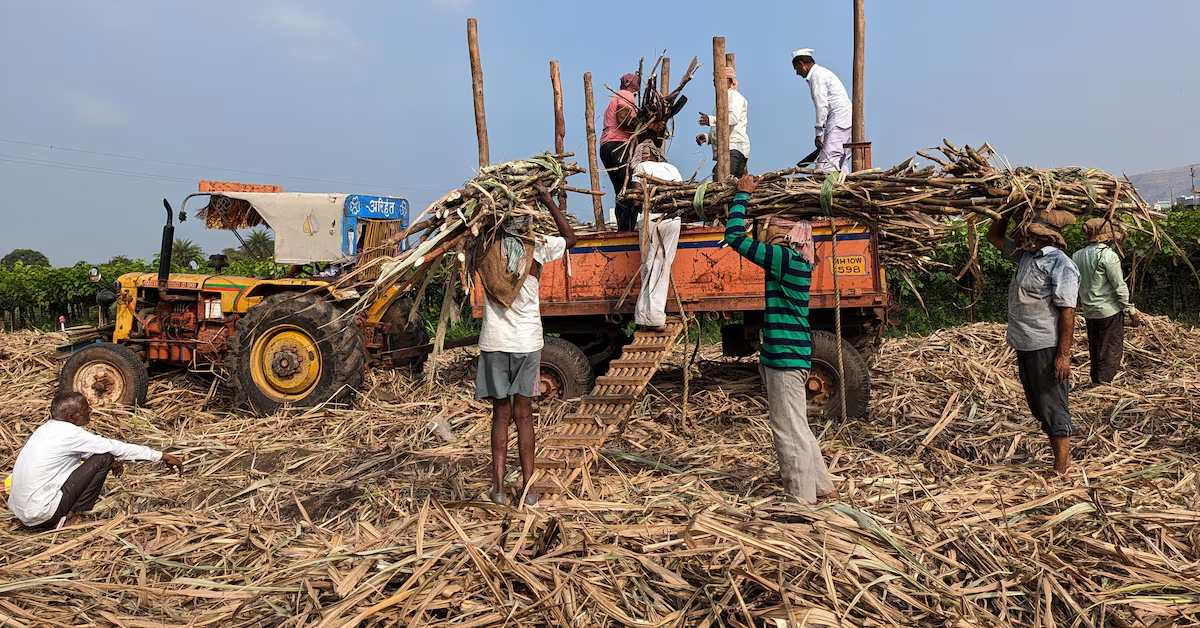
NCDC has emerged as a major financial partner in the government’s efforts to revive, modernise and strengthen cooperative sugar mills, helping them move beyond conventional sugar production towards becoming integrated, financially sustainable rural enterprises.
The National Cooperative Development Corporation (NCDC), under the Ministry of Cooperation, is providing substantial financial assistance to cooperative sugar factories for setting up ethanol production plants, cogeneration facilities and meeting their working capital requirements. The initiative is aimed at improving mill efficiency, diversifying revenue streams, ensuring timely payments to sugarcane farmers and strengthening the cooperative economy.
At the centre of this effort is the Central Sector Scheme, ‘Grant-in-aid to NCDC for Strengthening of Cooperative Sugar Mills’. Under the scheme, the Central Government provided a grant of Rs 1,000 crore to NCDC in two instalments, enabling the corporation to mobilise additional resources from the market and extend loans worth up to Rs 10,000 crore to cooperative sugar factories.
The scheme has already delivered substantial results. According to information shared by Union Home and Cooperation Minister Amit Shah in Parliament in February 2026, NCDC has disbursed Rs 10,005 crore to 56 cooperative sugar mills across the country.
Of the total assistance, Rs 251.40 crore has gone towards setting up ethanol plants, Rs 97.12 crore towards cogeneration power projects, while a substantial Rs 9,656.90 crore has been provided as working capital. The latter is particularly important for mills facing liquidity constraints, as it helps them meet operational expenses, manage sugar stocks and ensure timely payments to farmers and workers.
The ethanol initiative is intended to help cooperative mills diversify their operations and benefit from India’s Ethanol Blended Petrol Programme. By converting sugarcane juice and molasses into ethanol, mills can generate additional income and reduce their dependence on conventional sugar sales. Cooperative sugar mills have also been brought at par with private players in ethanol procurement by oil marketing companies.
NCDC has further made its financing more accessible by revising the funding pattern for ethanol projects to 90:10, meaning that the corporation can finance up to 90 per cent of the project cost, with the cooperative society contributing the remaining 10 per cent, subject to project viability.
Another significant intervention concerns the conversion of existing molasses-based ethanol plants into multi-feedstock facilities. This will allow mills to use maize, damaged food grains and other alternative raw materials, reducing their dependence on seasonal sugarcane availability. NCDC is extending financial assistance for these conversions, while a separate government scheme provides interest subvention to eligible cooperative mills.
Cogeneration plants, meanwhile, enable factories to generate electricity from bagasse, meeting their own power requirements and creating opportunities to sell surplus electricity.
The broader impact is visible in the sector’s financial health. A third-party evaluation found that NCDC financing helped reduce outstanding cane bills, facilitating smoother operations and timely payments.
With 102 of the country’s 312 cooperative sugar mills identified as non-functional, the challenge remains considerable. NCDC’s financial interventions, coupled with modernisation and diversification, are expected to play a crucial role in reviving viable units and strengthening the cooperative sugar movement.