






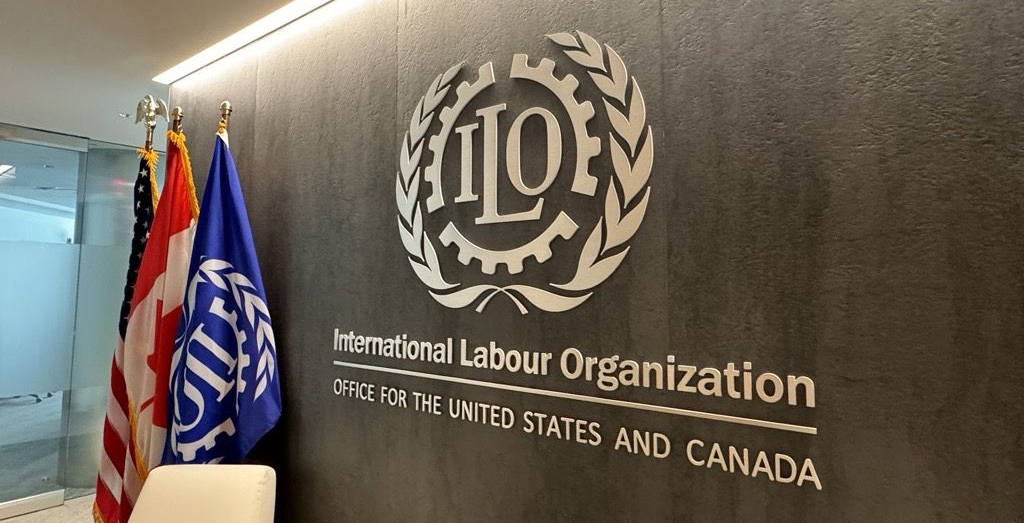
The International Labour Organization (ILO) has called for a greater role for cooperatives and social and solidarity economy (SSE) enterprises in the European Union’s external development strategy, arguing that they can ensure inclusive growth, decent jobs and stronger local ownership of development projects.
Speaking at a Brussels conference titled “From Aid to Ownership: Rethinking Development Through a Cooperative Lens”, Carlien van Empel, Director of the ILO Office for the EU and the Benelux countries, stressed that cooperatives should be recognised as important partners in international development rather than being treated merely as instruments for delivering aid.
The event was organised by Cooperatives Europe under the EU-International Cooperative Alliance partnership. Representatives of the ILO, Belgian development agency Enabel, the European Commission and CONCORD Europe participated in the discussions.
Van Empel said cooperatives could ensure that investments generate decent employment and benefits that remain rooted in local communities. Their contribution extends across agriculture, energy, transport, digital services, healthcare, care services and finance, where they can function as enterprises, suppliers, service providers and community partners.
She highlighted the ILO’s international policy framework, particularly its 2002 Recommendation on the Promotion of Cooperatives, which has influenced cooperative policies and legislation in 120 countries. This was complemented by the 2022 ILO Resolution on Decent Work and the Social and Solidarity Economy, providing further recognition to people-centred economic models.
According to van Empel, building a strong cooperative ecosystem requires more than legislation. Countries need supportive policies, capable institutions, social dialogue and safeguards to protect cooperative autonomy. She cautioned against treating cooperatives merely as vehicles for implementing international cooperation programmes, stressing that they must remain independent economic actors.
Citing practical examples, she pointed to the EU-funded JEUN’ESS project in Tunisia, which supported more than 170 social and solidarity economy entities and contributed to over 3,600 decent jobs. In Colombia, Palestine and Zimbabwe, the ILO is promoting cooperative models to formalise employment in the care economy. Initiatives in Burkina Faso, Mali and Uganda are also engaging cooperatives to combat child and forced labour and improve workplace safety.
Looking ahead, van Empel identified the EU’s Global Gateway Strategy as an important opportunity to expand the contribution of cooperatives. The ILO is working on employment impact assessments and programmes in Liberia, Bangladesh and across Africa to ensure that major investments create quality jobs.
She urged the European Commission and development partners to systematically explore how cooperatives and the wider social and solidarity economy could become integral to Global Gateway investments, ensuring that economic development translates into lasting community benefits.
Courtesy: ILO