






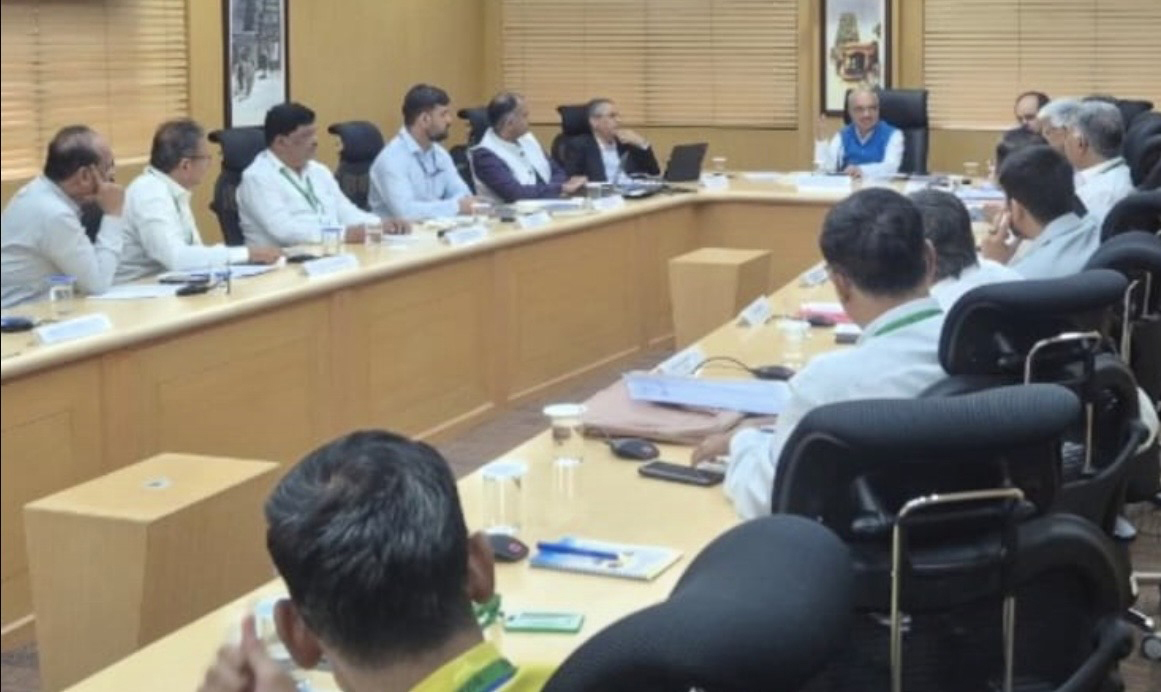
The Reserve Bank of India’s (RBI) Committee on the proposed Model Bye-laws for Urban Cooperative Banks (UCBs) held extensive consultations with cooperative banks and federations from South India at the RBI Regional Office in Bengaluru.
The two-day consultation brought together representatives from Karnataka, Tamil Nadu, Andhra Pradesh, Telangana and Kerala to discuss the proposed framework and place their concerns and suggestions before the RBI committee.
The consultations were conducted in two phases. On the first day (Tuesday), representatives from Andhra Pradesh, Telangana and Kerala participated in the discussions, while delegates from Karnataka and Tamil Nadu attended the second-day meeting on Wednesday.
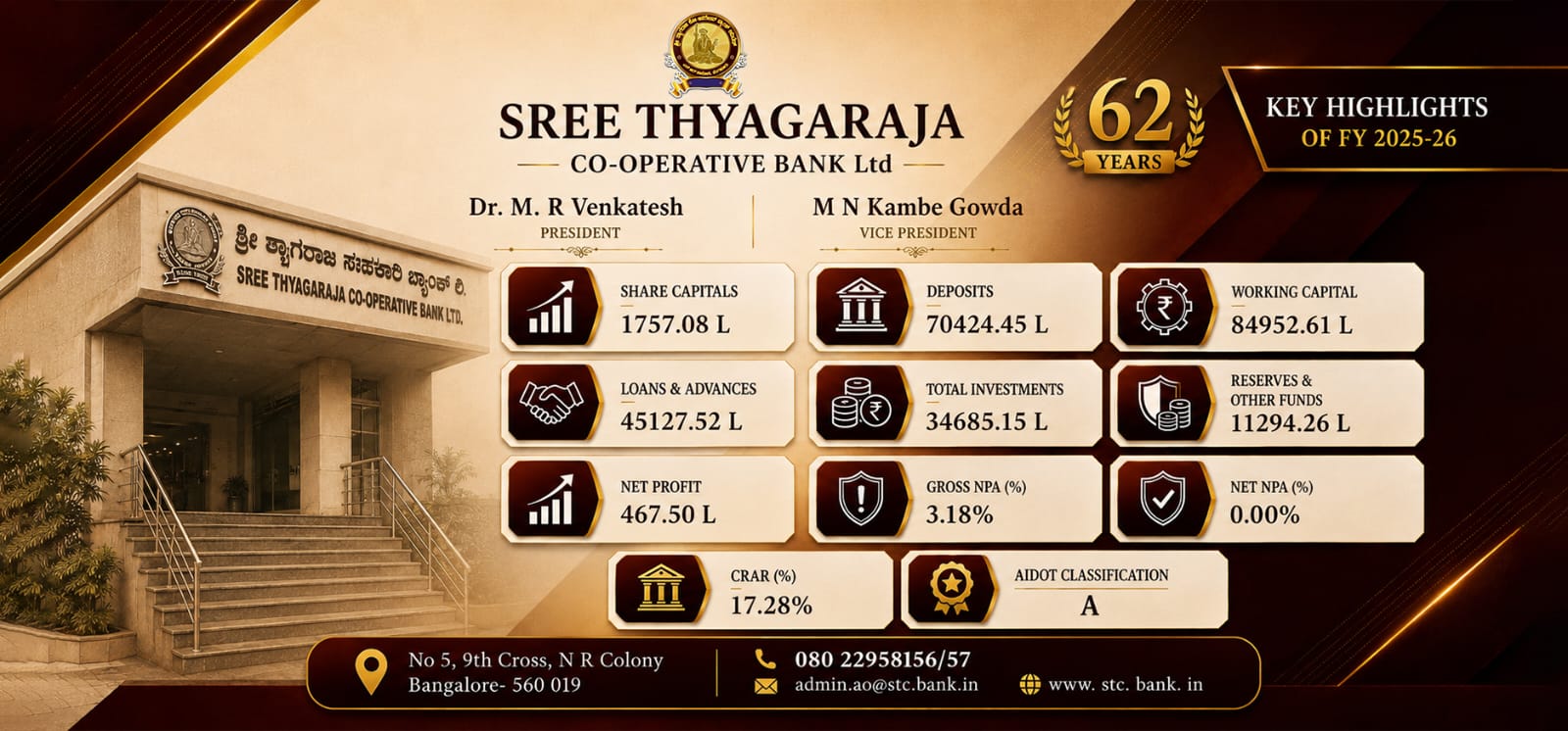
Representatives from several UCBs and state-level federations, including Visakhapatnam Cooperative Urban Bank, Gooty Urban Cooperative Bank, Kakinada Urban Cooperative Bank, Gayatri Cooperative Urban Bank, Pochampally Cooperative Urban Bank, Bangalore City Cooperative Bank, Andhra Pradesh State Cooperative Urban Banks & Credit Societies Federation, Kerala Urban Cooperative Banks Federation and Karnataka UCBs Federation, took part in the deliberations.
A major issue raised during the meeting was the need for separate Model Bye-laws for uni-state and multi-state UCBs. Participants argued that the two categories operate under different legislative frameworks and, therefore, a single set of mandatory Model Bye-laws would not be practical.
Chalasani Raghavendra Rao, Secretary of the Andhra Pradesh State Cooperative Urban Banks & Credit Societies Federation and Director of NAFCUB, opposed making the proposed Model Bye-laws mandatory.
Rao argued that cooperative banks are autonomous institutions registered under State or Central Cooperative Societies Acts. He said the extension of the Banking Regulation Act was intended primarily to regulate banking business and should not extend RBI control to cooperative administration.
He cautioned that requiring UCBs to incorporate every RBI directive into their Bye-laws could undermine cooperative autonomy and dilute the democratic character of cooperatives. He stressed that Bye-laws reflect decisions taken by member-shareholders within the applicable cooperative legislation.
Participants highlighted that cooperation falls under Entry 32 of List II (State List) and said the legislative boundaries established by the 97th Constitutional Amendment should be respected. They demanded that the Model Bye-laws remain advisory rather than mandatory, with the General Body retaining the authority to amend them.
The issue of dual control was also raised, with participants pointing to potential conflicts between RBI directives and cooperative laws. Delays in obtaining approvals from Registrars of Cooperative Societies (RCS) were also highlighted.
Participants proposed the creation of a permanent Standing Committee comprising representatives from the RBI, Ministry of Cooperation, RCS authorities, NAFCUB and cooperative federations to resolve such conflicts before new directives are issued.