






The Reserve Bank of India (RBI) has placed 87 Urban Cooperative Banks (UCBs) under All Inclusive Directions (AID) since 2021, underscoring intensified regulatory oversight of the cooperative banking sector. As of July 27, 2026, 27 UCBs continue to operate under these restrictions, with Maharashtra accounting for the highest number.
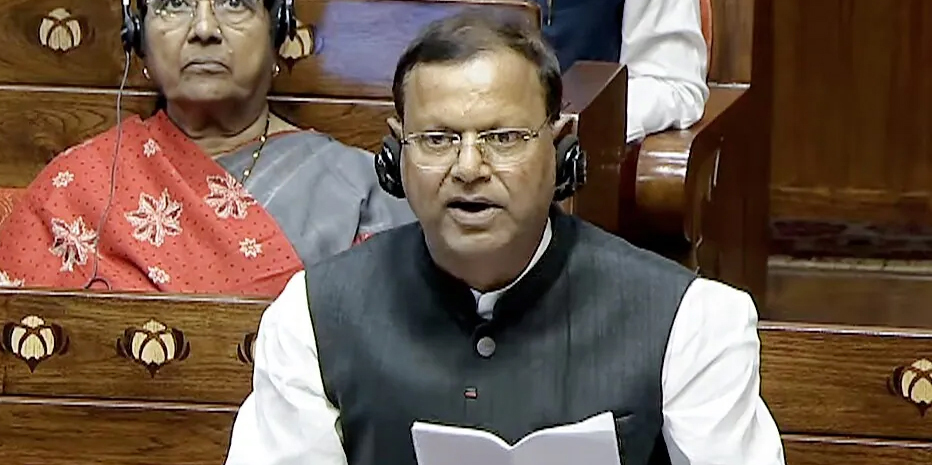
The information was shared by Union Minister of State for Finance Pankaj Chaudhary in the Lok Sabha on Monday in a written reply to an unstarred question raised by MP Pushpendra Saroj.
According to the data, Maharashtra recorded 41 UCBs placed under AID since 2021, followed by Karnataka and Uttar Pradesh with 12 banks each, Gujarat (4) and Assam (3). At present, 10 UCBs in Maharashtra remain under AID, followed by Karnataka (4), Uttar Pradesh (2), Gujarat (2), Assam (2), and one each in Himachal Pradesh, Kerala, Madhya Pradesh, Uttarakhand and West Bengal.
The Government also informed Parliament that 327 monetary penalties have been imposed on UCBs across various states since 2021 for violations relating to capital adequacy, lending and governance norms. Maharashtra accounted for the highest number of penalties (108), followed by Gujarat (81), Tamil Nadu (35), Uttar Pradesh (21) and Karnataka (16).
As on March 31, 2026, RBI identified three Tier-3 Urban Cooperative Banks that were not complying with capital adequacy norms. Exercising its powers under the Banking Regulation Act, 1949, the central bank has taken supervisory actions, including removal of directors and imposition of monetary penalties, to address such violations.
On depositor protection, the Government stated that the Deposit Insurance and Credit Guarantee Corporation (DICGC) has settled claims worth Rs 18,931.40 crore relating to 488 cooperative banks under liquidation, amalgamation or regulatory restrictions. Of this, Rs 12,160.52 crore was paid to depositors in Maharashtra, followed by Gujarat (Rs 2,509.21 crore) and Karnataka (Rs 1,718.32 crore).
The Government further revealed that, as of June 30, 2026, banks across the country, including UCBs, had reported 3.53 lakh domestic payment frauds involving Rs 489 crore. To curb such incidents, RBI has strengthened fraud risk management through cyber security advisories, compliance monitoring, staff rotation, mandatory leave policies and other supervisory measures.
To safeguard depositors and improve governance in the cooperative banking sector, RBI has revamped its supervisory framework with greater emphasis on governance standards, assurance functions and early risk detection.
The Prompt Corrective Action (PCA) framework, strengthened on-site inspections, deposit insurance through DICGC and the nationwide “RBI Kehta Hai” awareness campaign were also highlighted as key measures to enhance the resilience and stability of Urban Cooperative Banks.